Garage door balance test: how to check if your door is balanced
How to check a garage door's balance, as Chamberlain and LiftMaster describe it: close the door, use the manual release, lift it partway and let go. When to stop and call a pro, and why springs and cables are never yours.

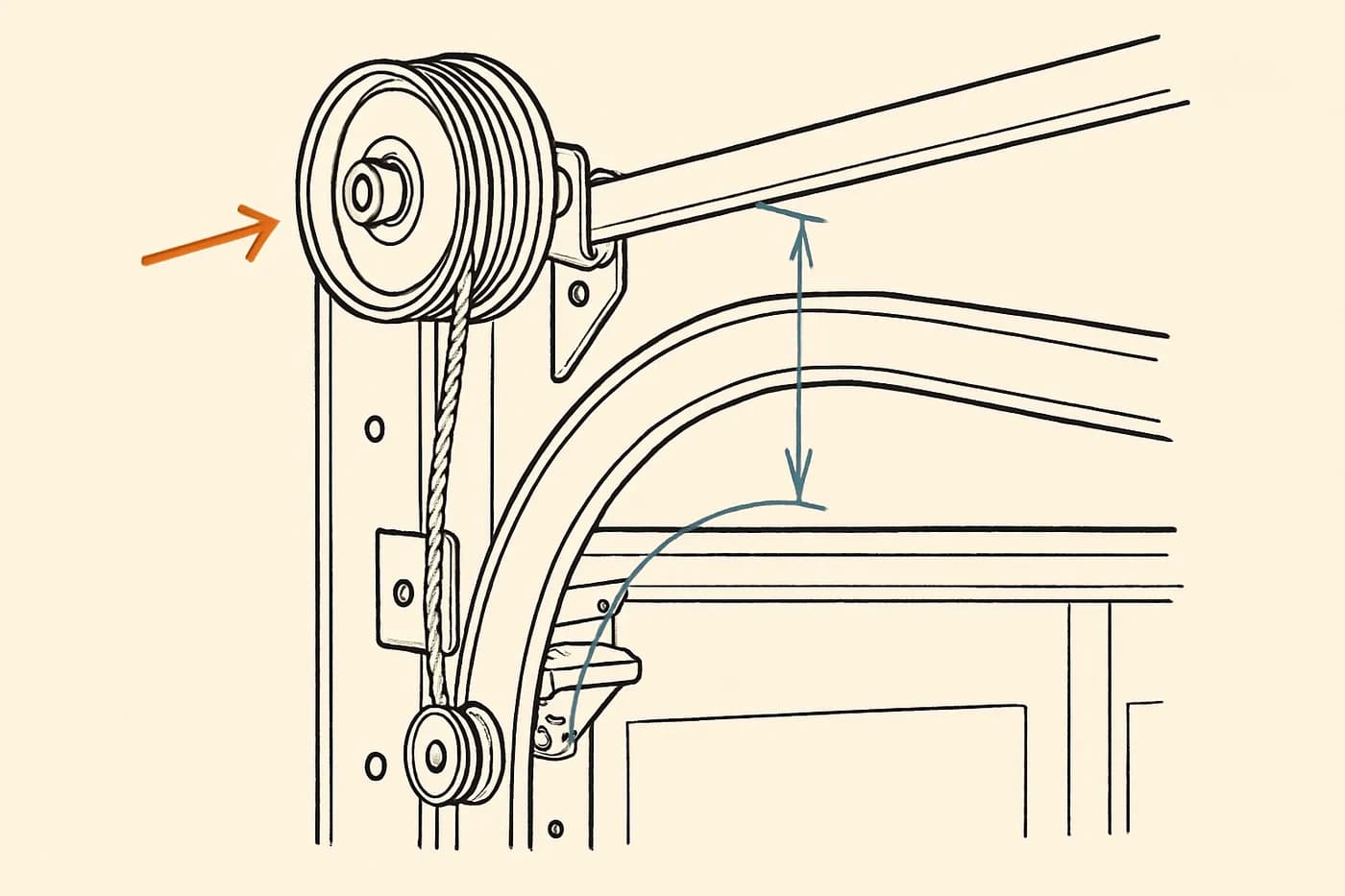
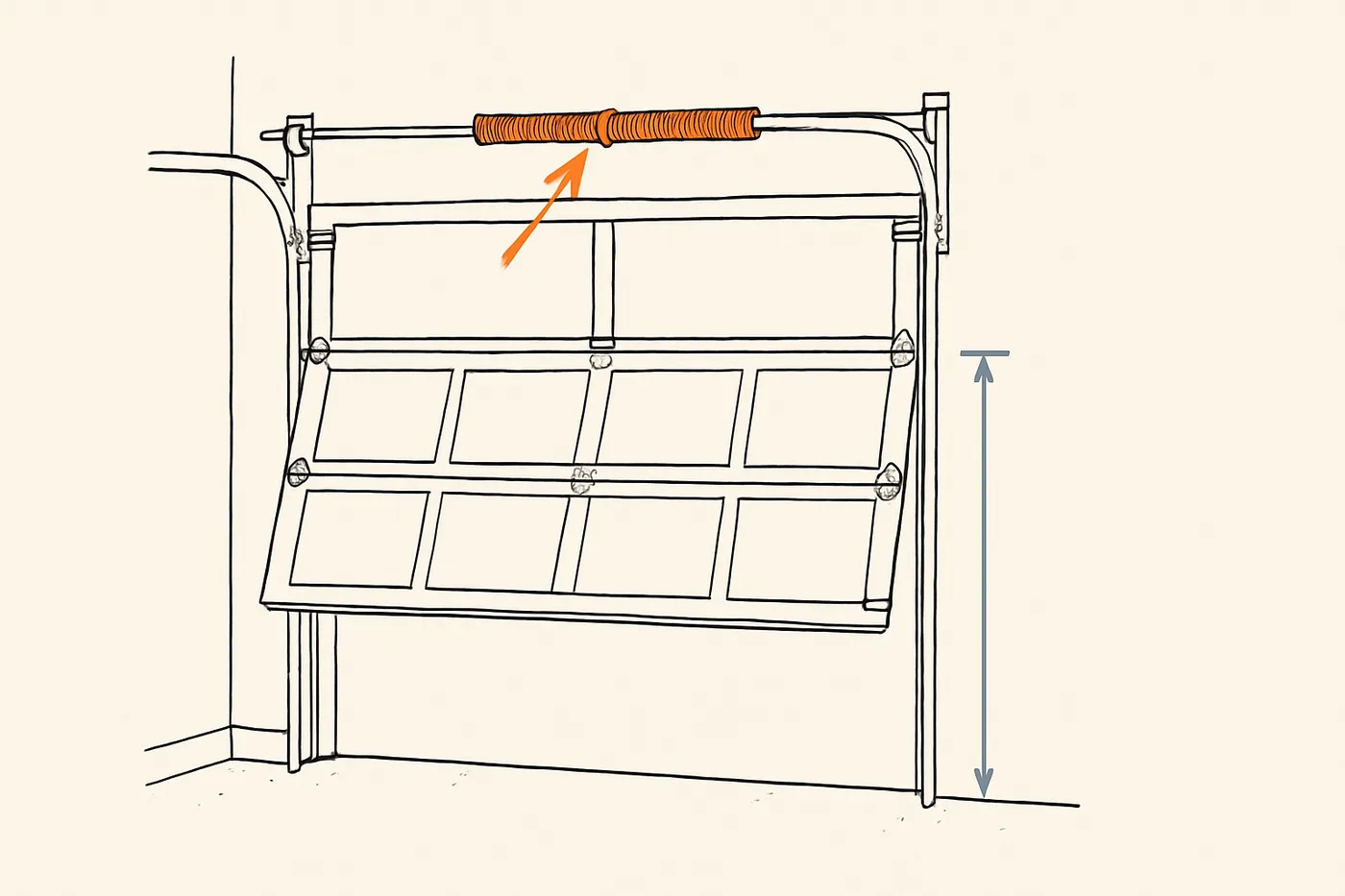
The balance test in one paragraph: with the door fully closed, use the manual release to disconnect it from the opener, then lift the door partway and let go. Chamberlain's support article says to lift it 3 to 4 feet, and says a balanced door stays in place, supported entirely by its springs. Chamberlain's and LiftMaster's opener manuals say to lift it halfway. If the door slams shut or shoots upward with force, it is out of balance, and Chamberlain says to contact a professional door technician. If the door is very heavy, drops fast, will not stay up, or a spring or cable looks broken, do not lift it: stop and call a pro. Springs and cables are never yours to touch, loosen, move or adjust.
Not sure which problem this is? Start with our page on a broken garage door spring.
You pull into the driveway. The door goes up like it always does, but something's different: the opener sounds like it is working harder than it used to.
The door still works. But you've noticed.
What "balanced" actually means
A garage door is heavy. That weight does not go away when the door opens. It gets counteracted by a torsion spring, or a pair of extension springs, calibrated to hold the door in suspension.
When the spring is matched to the door's weight, the door is balanced: with the opener disconnected, it stays where it is put, and the opener, when it's connected and running, is only responsible for overcoming inertia and a little friction. Clopay puts it plainly: balanced doors stay open halfway, and unbalanced doors close or open themselves. Checking that means disconnecting the opener with the manual release, with the door closed. When spring tension is off in either direction, the opener has to work harder, which strains the system.
Signs to notice without touching a spring
Clopay's spring guide lists these signs. You can notice them in normal use, without touching a spring:
- The opener is straining more than usual, or the door seems unusually heavy when it runs. Clopay says the spring may have lost its tension.
- The door looks crooked as it moves or gets stuck partway. Clopay says one of the springs could be weaker or broken.
- You hear loud banging or snapping noises while it runs. Clopay calls that "a strong indicator a spring has let go."
- You see a break or gap in the spring above the door. Clopay says "the most obvious sign is a visible break or gap in the spring itself."
Stop using the door and call a technician if you see a break or gap in a spring, hear loud banging or snapping, see a frayed cable, or the door looks crooked, gets stuck partway or feels unusually heavy. If the only sign is an opener that sounds like it is straining, book a technician.
A straining opener on its own does not prove the spring is the problem, and a door that looks fine can still be out of balance. Every one of these signs is a reason to call a technician, not a reason to investigate by hand.
What the technician does
If the door is out of balance, the technician adjusts or replaces the spring, checks the cables and drums, and then reconnects the opener and sets its force and travel limits to match. That work is theirs, not yours. Chamberlain's warning is that you should never try to loosen, move or adjust the door, springs, cables, pulleys, brackets or their hardware, because they are under extreme tension.
A standard torsion spring is rated for about 10,000 cycles, and one cycle is one full open and close, which at four cycles a day is about seven years (IDC Spring, a spring manufacturer). If your door is in that age range and you are noticing the signs above, mention it when you call.
Why an unbalanced door is worth fixing even when it still works
Spring tension that is off in either direction forces the opener to work harder, which strains the system (Clopay). That is the reason to schedule the visit rather than wait for the spring to fail: a spring replaced on your schedule is easier than one replaced after it breaks.
Where the line is
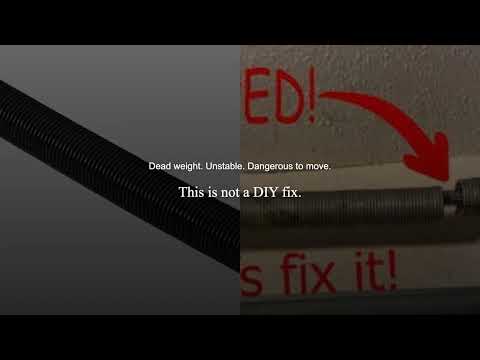
Springs and cables are under extreme tension. Do not wind or unwind a torsion spring yourself. Do not adjust cable tension. Do not try to rebalance the door by trial and error. The balance check above is the only part of this that is an owner's job: the door fully closed, the manual release, and a partway lift. If the door drops fast, will not stay up or is very heavy, or a spring or cable looks broken, stop and call a pro (the power outage guide covers when the release is the right move). Clopay's advice for an unbalanced door is the same as Chamberlain's: don't attempt to fix the balance yourself, call a professional. There's a short video on why this line exists, and it's worth watching before you decide otherwise.
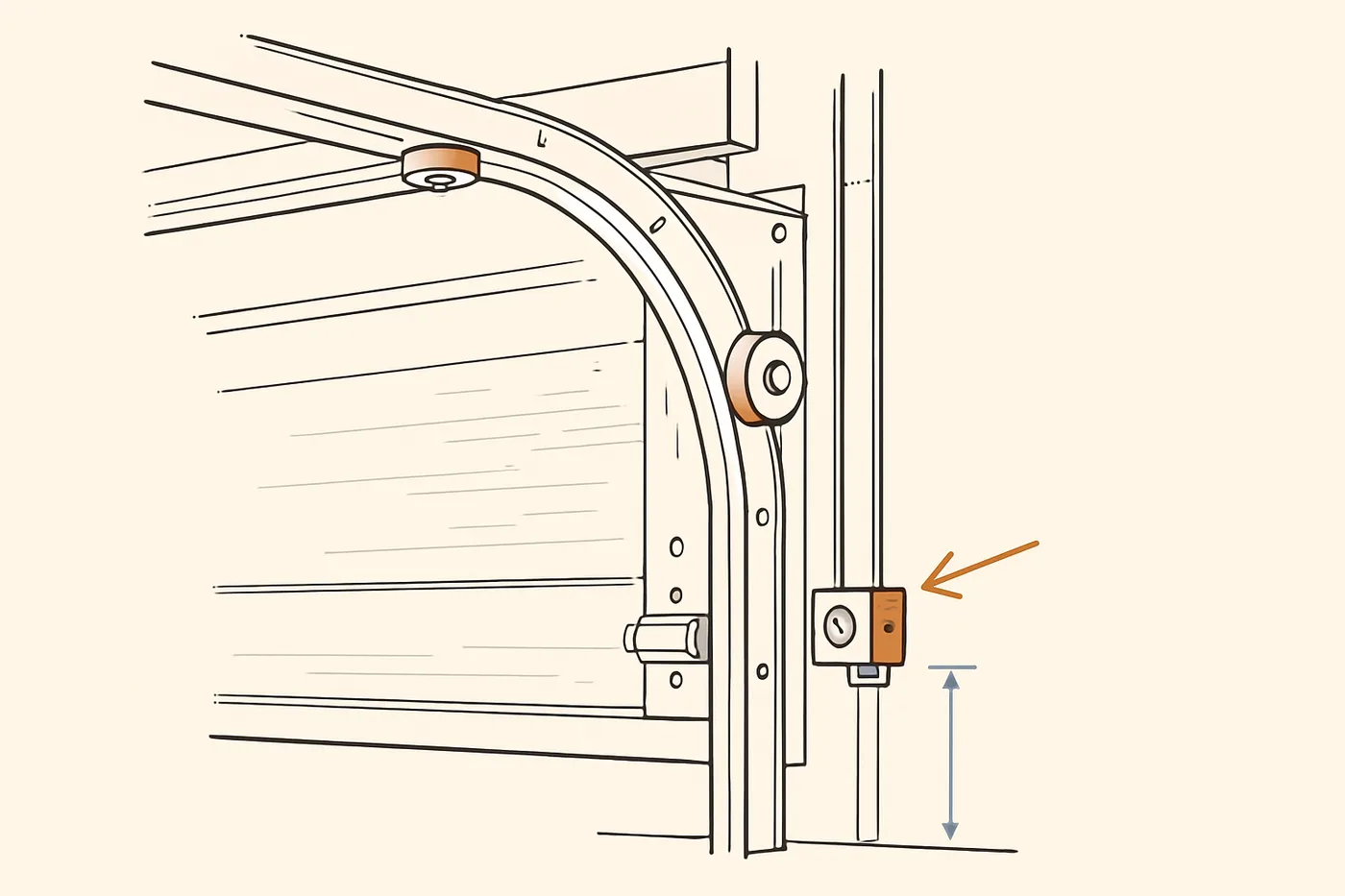
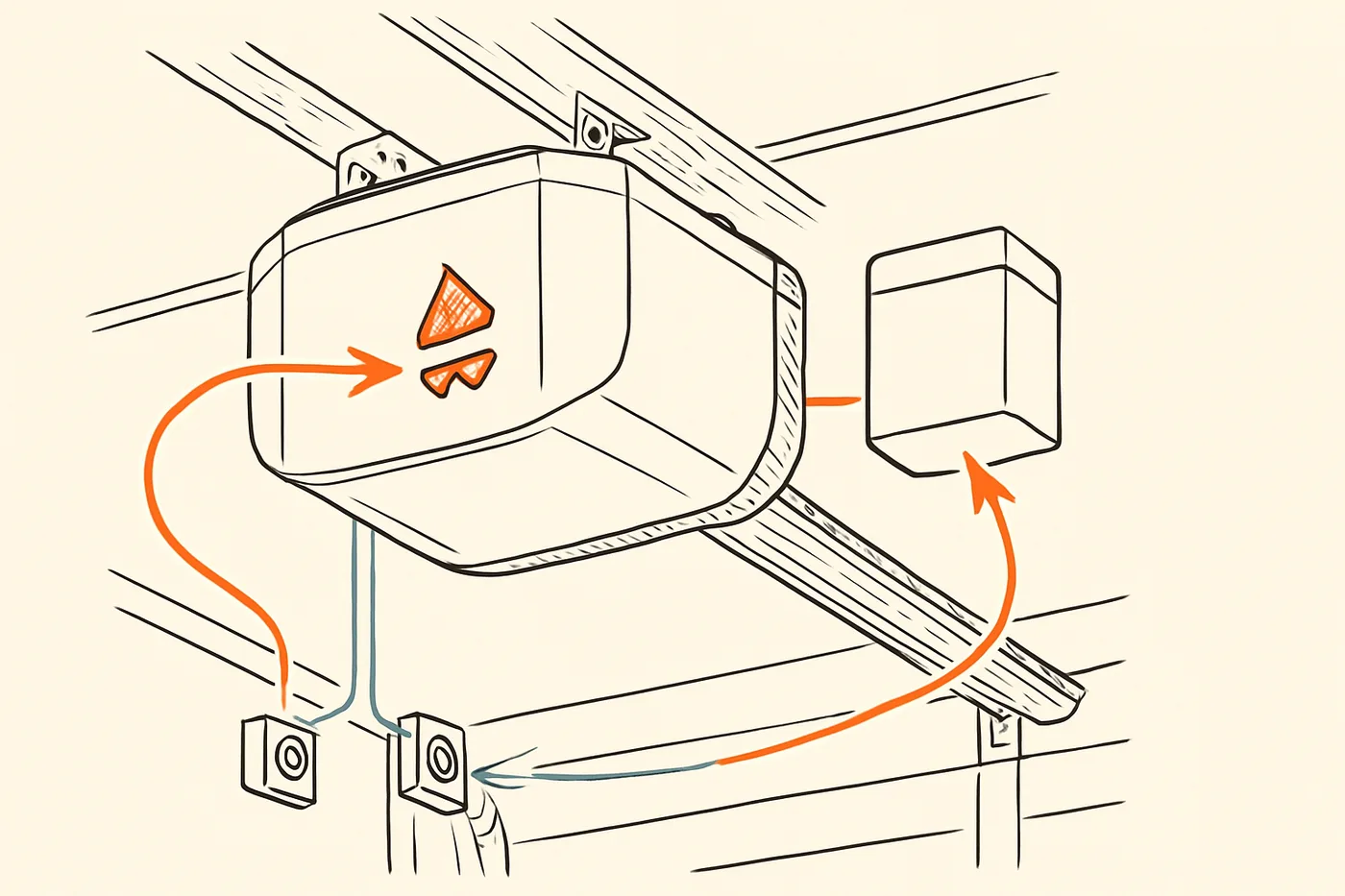
The reversal system that the federal rule requires on residential openers is a safety backstop, not a balance check. It reverses the door when it hits resistance on the way down. It does not know whether your spring is weak, and it does not flag balance for you.
Call a technician when you see the signs. Ask them to check the cables while they're there. Garage Door Pros (our affiliated installer) offers a free safety inspection, which is a reasonable way to have the balance and the cables looked at.
A door that shows any of the signs Clopay lists above, or that fails Chamberlain's balance check, is telling you to schedule a technician, and the only decision left is whether you do it on your schedule or after something breaks.