Garage door wall button stopped working but the remote still does? Three ways forward
When the wall button is dead and the remote still opens the door, the fix can be a wire, a new wall control or an old opener. What each gets you, what to ask on the quote, and when the cheapest is the right call.

You press the wall button and nothing happens. The remote in your car still opens the door. That one fact helps, and this page is built around it. There are three real ways forward, and they cost very different amounts.
This page is about the decision and the quote. It is only about the low-voltage wall control. Springs, cables and the bottom bracket on the door are under tension and belong to a trained technician. If your remote is the thing that stopped, our page on a remote that will not work is the better start, and our page on an opener that will not work at all covers a dead opener.
What the working remote tells you
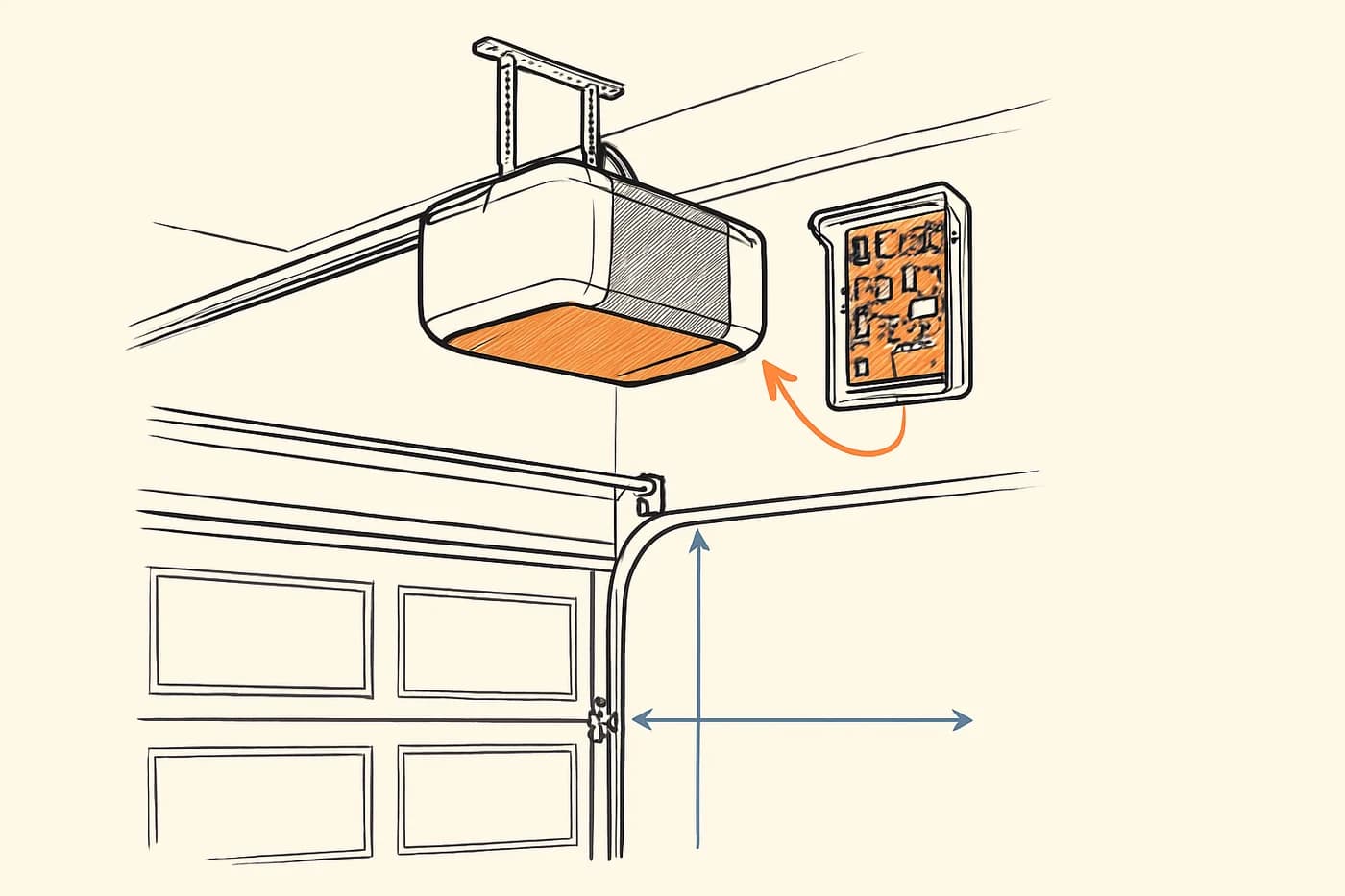
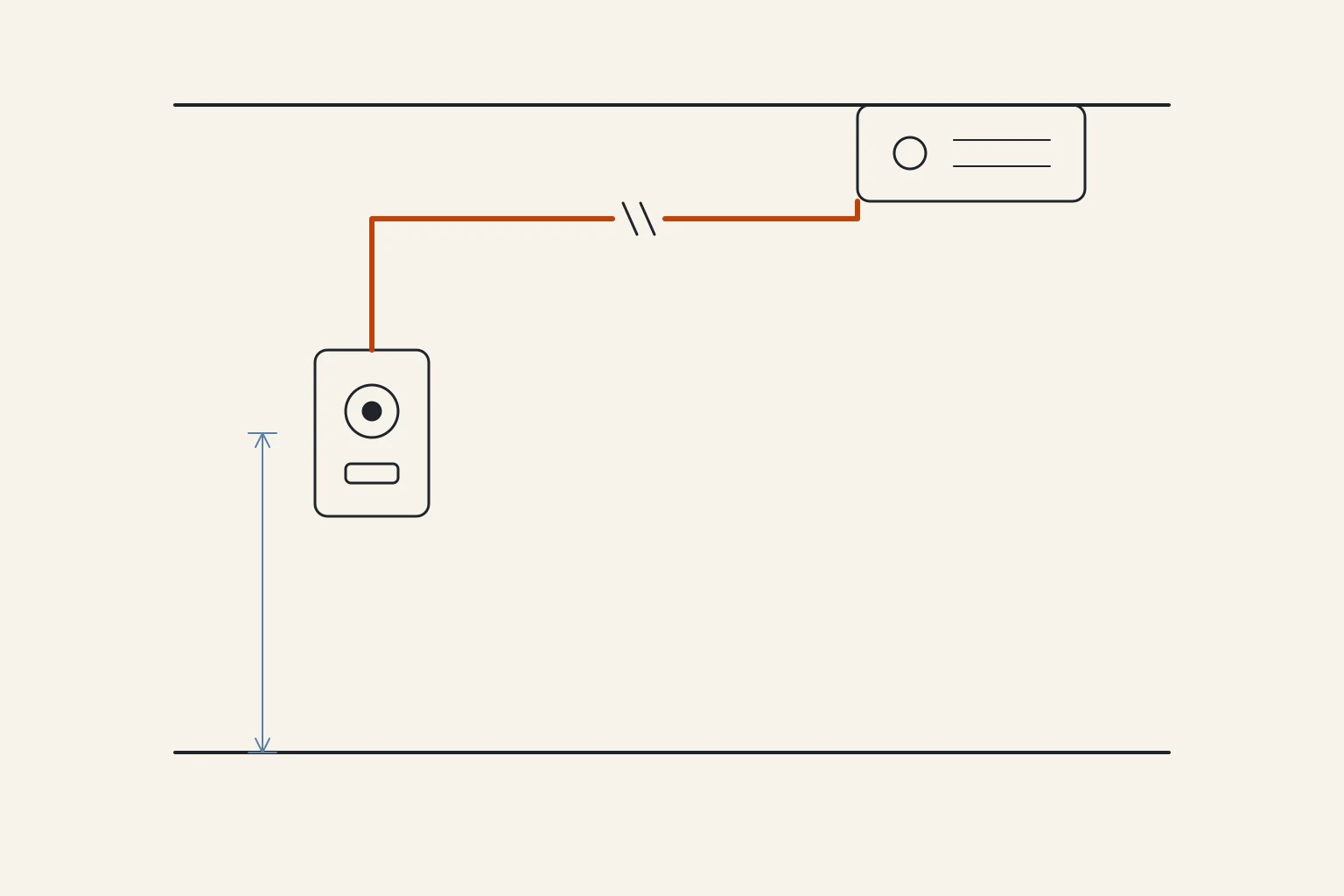
If the remote opens and closes the door, the motor, the gear and the radio receiver inside the opener are doing their jobs. That reasoning is ours, not a maker's statement. It points at the three things that are only on the wall button's side: the button, the wire to the opener and the connections at either end.
Option 1, the good: check the wire and the connections
Chamberlain's owner's manual for its B980 opener has a troubleshooting chart. For a door control that will not function, it says: "The wires for the door control are shorted or the door control is faulty. Inspect door control wires at all staple and connection points, replace wire or correct as needed."
What it gets you: often the whole fix, for little or nothing. A staple through the wire, a loose screw at the back of the button or at the opener, or a wire pinched during a remodel are the kinds of things that line describes.
How we would do it: unplug the opener first. That is our advice, not a line from the manual. Then look along the thin wire from the button to the opener for a staple that has bitten into it and for any place it has been cut or crushed, and check the screws where it ends. If you are not comfortable, a technician can do this check.
If you call someone: we have no sourced price for a wire check or a wall control repair, so we will not make one up. Ask for the price before they come.
What to ask: whether they tested the wall control at the opener's terminals before replacing anything, and whether the door worked from the wall control before they left.
Option 2, the better: replace the wall control
The button or the control panel is replaced with a new one.
What it gets you: a new button on the wall, with the wire checked at the same time, if the old control is the part that failed. Chamberlain's chart names a faulty door control as one of the two causes.
What it costs: we have no sourced price for a replacement wall control. Ask for the part price and the installed price as two numbers, so you can compare two quotes.
What to ask: the brand and model of the control, and whether it is made for your opener. Genie's opener manual warns, in its wall console section: "Use of any other wall control can cause unexpected operation of the door and loss of lighting feature." Ask them to confirm in writing that the new control matches your opener.
Option 3, the best: replace the opener
The opener is replaced, and the wall control comes with the new one.
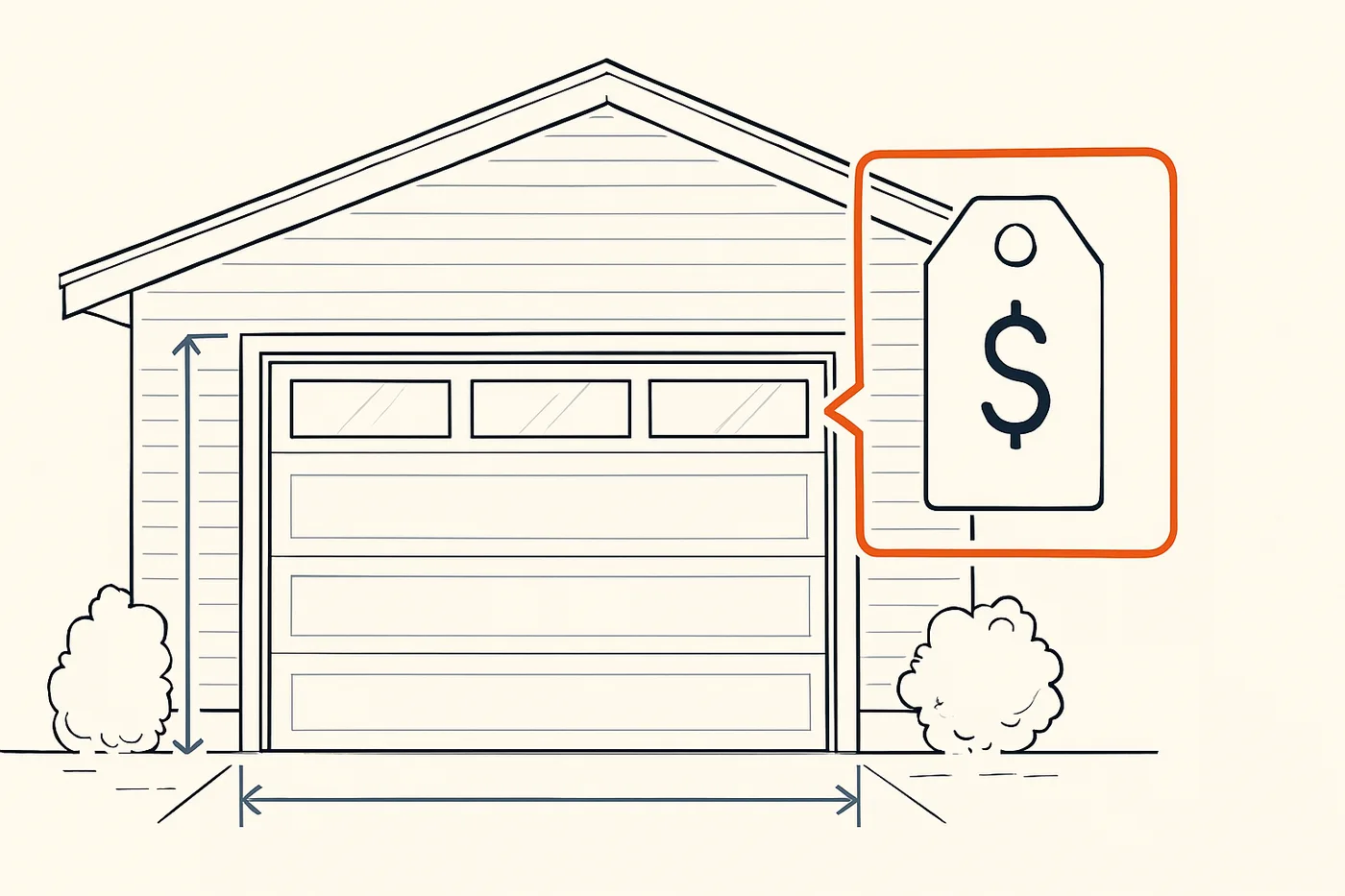
What it gets you: a new opener with a new warranty, which you should ask to see in writing. HomeAdvisor puts installing an opener at $218 to $540, with most homeowners paying around $379 (updated Jun 20, 2026).
How old is too old: the NAHB and Bank of America Study of Life Expectancy of Home Components (2007), which we read on October 14, 2026, says garage door openers are expected to last 10 to 15 years. It is a typical range from an old source, not a promise about your unit. Our opener lifespan page says more.
What to ask: whether the quote includes a new wall control and new safety sensors, and whether removal of the old opener is in the price.
When the cheapest option is the right call
Option 1 is usually the place to start, and it is not a sign of a bad technician. This part is our judgment, not a manufacturer's or an industry standard. It fits when:
- The button stopped after something changed. Painting, a remodel, a shelf put up near the wire or a pet that chewed it.
- The wire is visibly damaged or a screw is loose. Fixing that costs far less than any new part.
- The remote still works perfectly. That says the opener itself is in good shape.
It does not fit when the wire and connections check out and a second control also fails. Then the opener's board is the question, and a second visit for the same fix is the expensive way to learn that. It also does not fit when the opener is 10 years old or more, the low end of the NAHB range, and the repair is a large part of what a new one costs.
What to put on any wall control quote
- What was found, in writing: the wire, the control or the opener.
- The part price and the labor as two numbers, or one installed price.
- The control's brand and model, and that it matches your opener.
- A test of the wall control and the door before the technician leaves.
Two quotes with the same four lines are easy to compare.
What not to do
Do not touch the springs, cables or bottom bracket on the door. If the door feels very heavy, drops fast or will not stay up, do not lift it, and call a professional. Do not force a different brand of control onto your opener, and do not open the opener's cover with it plugged in.
What to do today
- Confirm the remote still opens the door and note whether the wall button lights up at all.
- Unplug the opener and check the wire and the screws at both ends, or ask a technician to.
- If that does not fix it, get a written quote with the four lines above, and choose the option that fits the age of your opener.