How garage door auto-reverse works: the physics of a 15-pound threshold
Learn how garage door auto-reverse systems work and why they're critical safety features that protect people and property from crushing injuries.

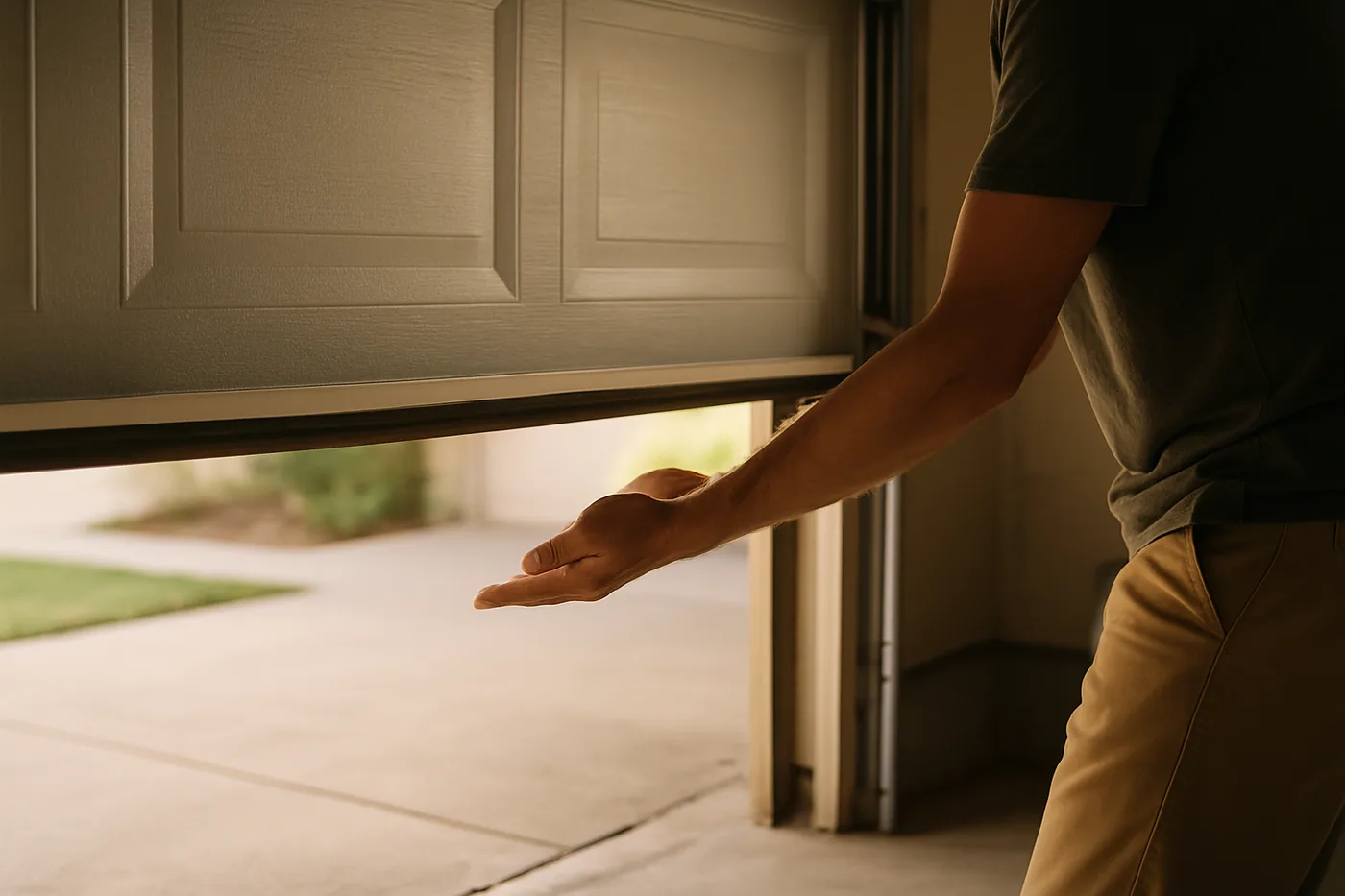
A residential garage door opener is required by UL 325 to reverse the door within 2 seconds when it encounters more than 15 pounds of resistance during closing. That number — 15 pounds of force, 2 seconds of contact — is not arbitrary. It came out of biomechanical testing on how much force a small child's chest or neck can sustain before serious injury occurs. The threshold sits just below that limit. Every modern opener in the United States is calibrated against it.
This article explains how the opener detects 15 pounds of resistance, how the photo-eye system acts as a second independent line of defense, and what the homeowner can verify without disassembling anything.
Why the threshold exists at all
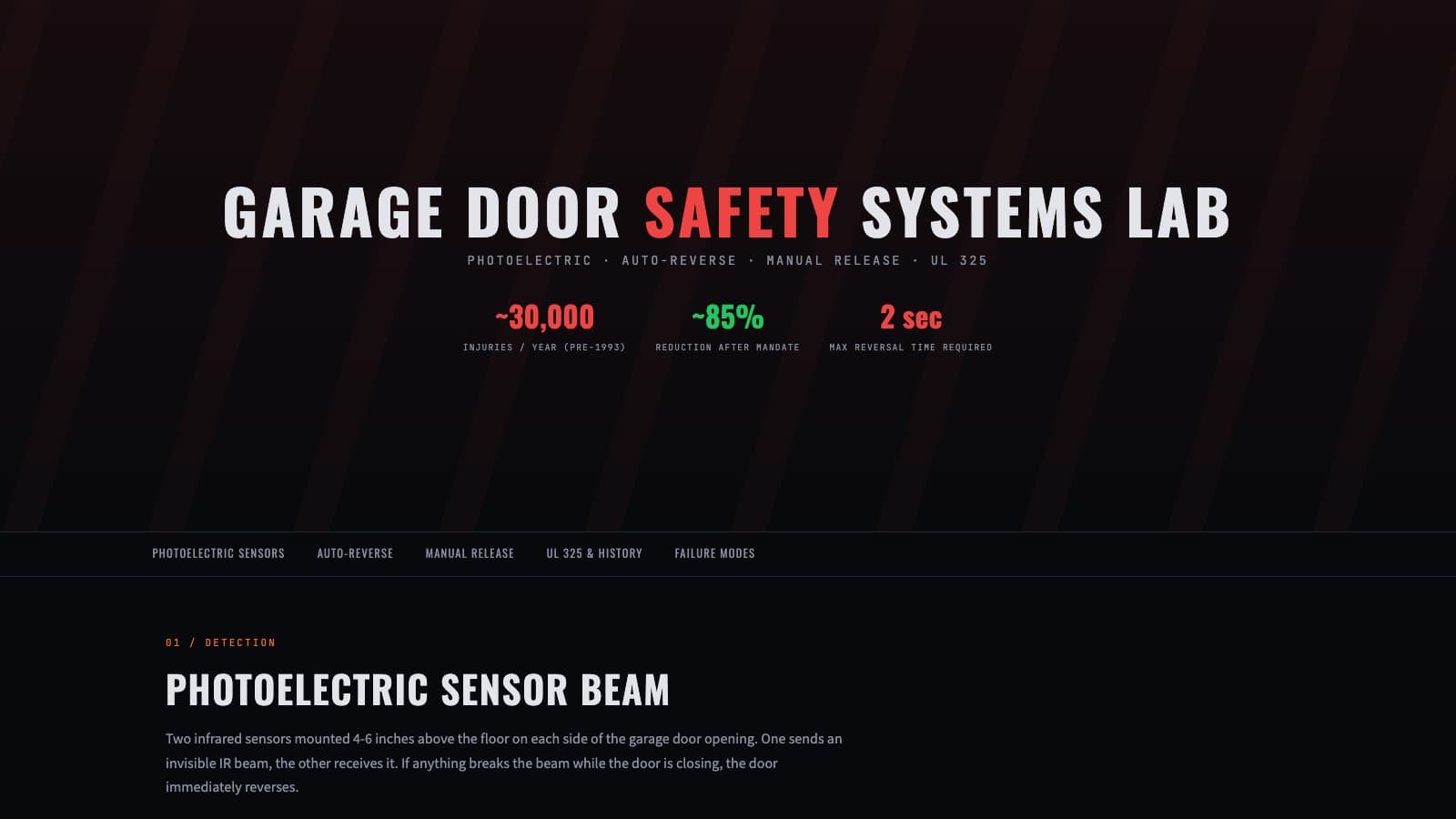
Before 1993, residential garage doors caused approximately 30,000 injuries per year in the United States. Many involved children. The federal response was a mandate, enforced through UL 325, that every new residential opener include two independent entrapment protection systems: an auto-reverse force limit set at 15 lbf, and a secondary device — either photoelectric sensors or a pressure-sensitive door edge. The dual requirement is the important part. One system is not allowed to be the only line of defense.
The result was a roughly 85 percent reduction in garage door injuries. That is the policy record. The numbers in your opener's logic board exist because the numbers in the injury data did.
How the opener detects 15 pounds of resistance
There is no force sensor on the door. There is no strain gauge in the trolley. The opener detects resistance by monitoring the current draw of its own motor.
A DC or AC motor under load draws current proportional to the torque it is producing. When the door is traveling freely down its tracks, the motor is doing little work — it is mostly overcoming friction and assisting gravity, because the torsion springs are carrying the weight of the door itself. Current draw is low and steady. When the bottom of the door contacts an obstruction, the motor begins to stall. Rotor speed drops. Back-EMF drops. Current rises sharply.
The opener's controller samples that current continuously. When the measured value spikes above a calibrated threshold — set during the opener's force-learning routine at installation — the controller interprets the spike as an obstruction and commands a reversal. The mechanical force at the door bottom that corresponds to this current spike is what UL 325 caps at 15 lbf.
This is why force calibration matters. An opener with the down-force setting cranked up to compensate for a sticky track or a weak spring is no longer reversing at 15 lbf. It is reversing at whatever force the homeowner dialed in. That defeats the standard. If your door requires more force than factory calibration to close, the correct response is to find out why the door is binding, not to raise the force limit.
The photo-eye as the second system
The auto-reverse current logic catches an obstruction by touching it. The photo-eye system catches an obstruction before contact.
The transmitter side projects an infrared beam at 940 nm, modulated at approximately 38 kHz. The modulation is what lets the receiver reject ambient light. Sunlight contains plenty of 940 nm energy, as do incandescent bulbs and other heat sources. None of that ambient infrared is modulated at 38 kHz, so the receiver's bandpass filter ignores it. Only the transmitter's pulsed signal registers.
When something breaks the beam — a child's leg, a backpack, a bicycle tire — the received signal drops below threshold. The controller triggers a reversal, or refuses to begin closing at all, within 150 to 250 milliseconds. The reaction is fast enough that a moving object passing through the beam during closing will reverse the door before contact.
UL 325 requires the sensors to be mounted no higher than 6 inches above the floor. That height was chosen for one reason: a small child crawling under a descending door must break the beam. Mount the sensors higher and that child is below the beam path. The mounting height is not a convenience specification. It is part of the safety calculation.
The 2006 fifth edition of UL 325 added a requirement that the opener also monitor for cut or shorted sensor wires, which is why a damaged wire now produces the same blinking-light symptom as a misaligned sensor. The opener assumes any sensor fault is a safety fault, and it refuses to close under power until the fault clears.
What the override means and why it exists
If the photo-eyes are blocked or malfunctioning, most openers allow the door to be closed manually by holding down the wall-mounted button continuously through the entire travel. The opener interprets the held button as an explicit human command to override the photo-eye reverse. The current-based 15 lbf reverse remains active even in this mode. Only the photo-eye is bypassed, and only while the button is held.
This is the correct design. A homeowner who needs to close a door with a broken sensor on a Saturday night should not be locked out. But the override is not a fix. It is a holdover until the sensor problem is diagnosed and repaired.
Manual mode has no auto-reverse
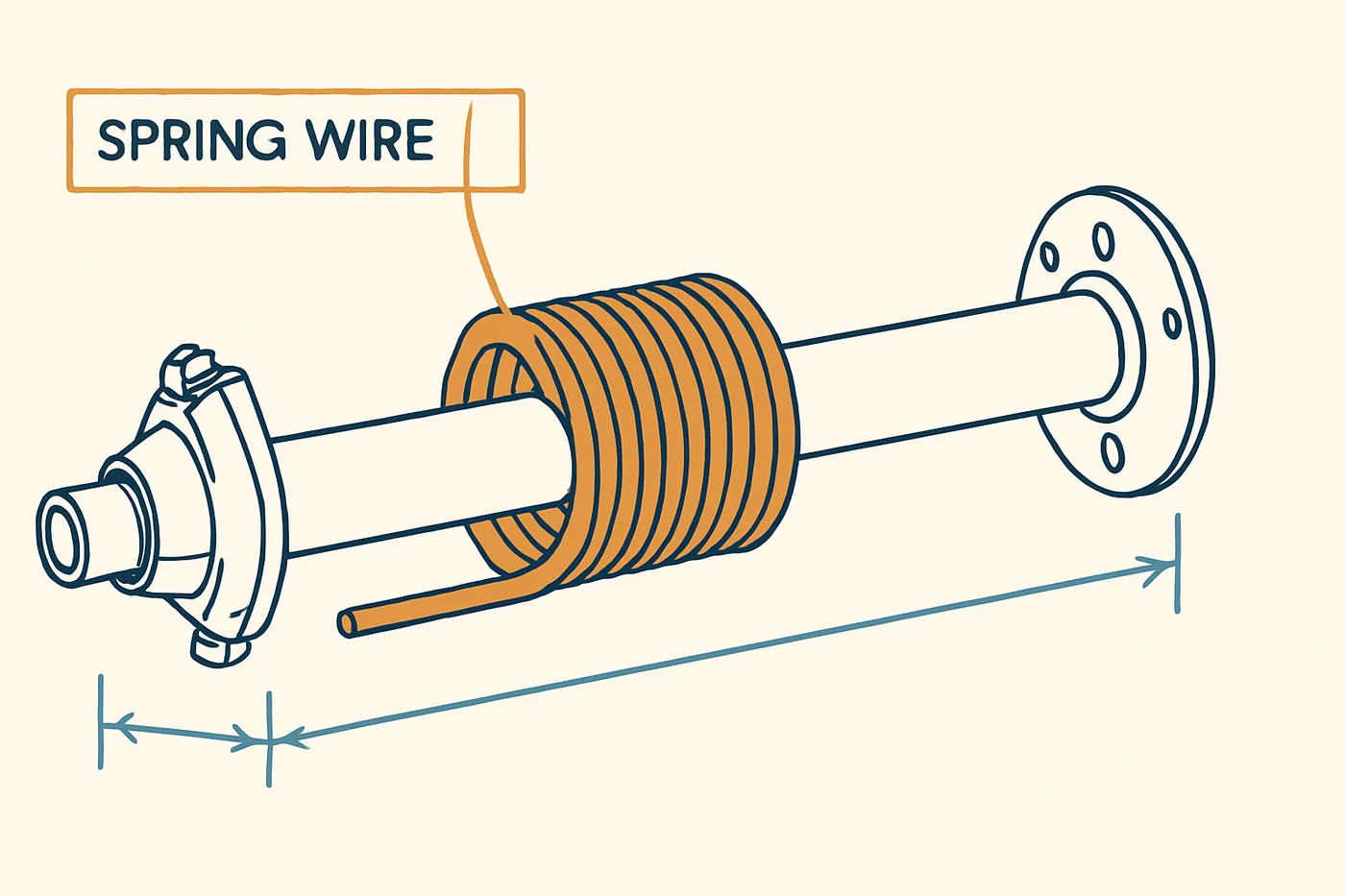
When you pull the emergency release cord, the door disengages from the opener trolley. The motor is now out of the loop. There is no current to monitor and no controller commanding reversals. The springs still provide counterbalance, and a properly tensioned door should feel only about 8 to 10 pounds to lift manually — but nothing will reverse it if it begins to fall.
Do not run the door in manual mode with children or pets in the bay. The safety systems described in this article do not exist in that state.
The test you can perform — and the line where you stop
UL 325 specifies a verification test the homeowner can run: place a 2x4 board flat on the floor under the door's path and close the door. The door should contact the board and reverse within 2 seconds. If it does not reverse, or if it pauses on the board and continues pressing, the auto-reverse is out of calibration and the door is unsafe to operate under power.
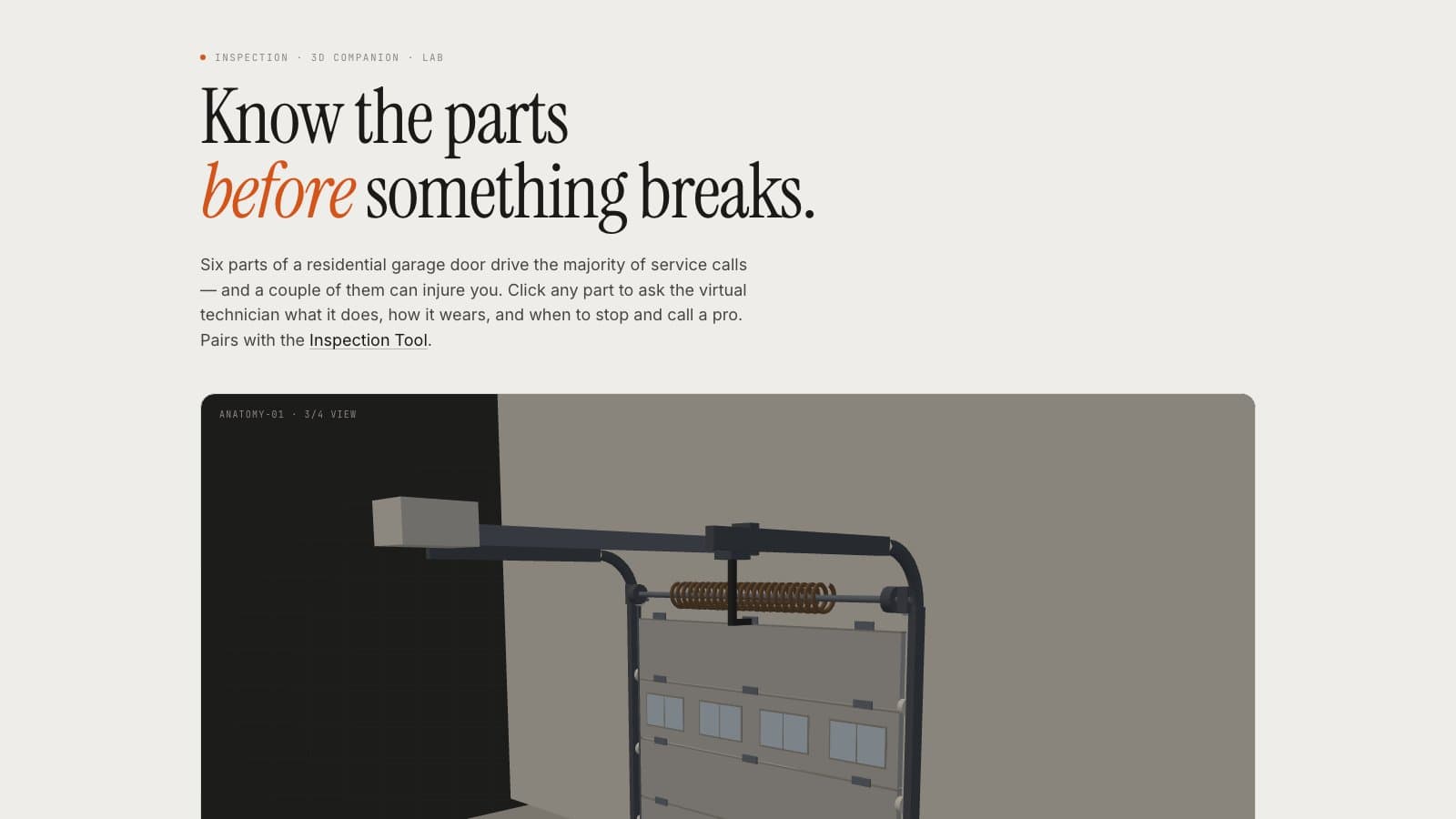
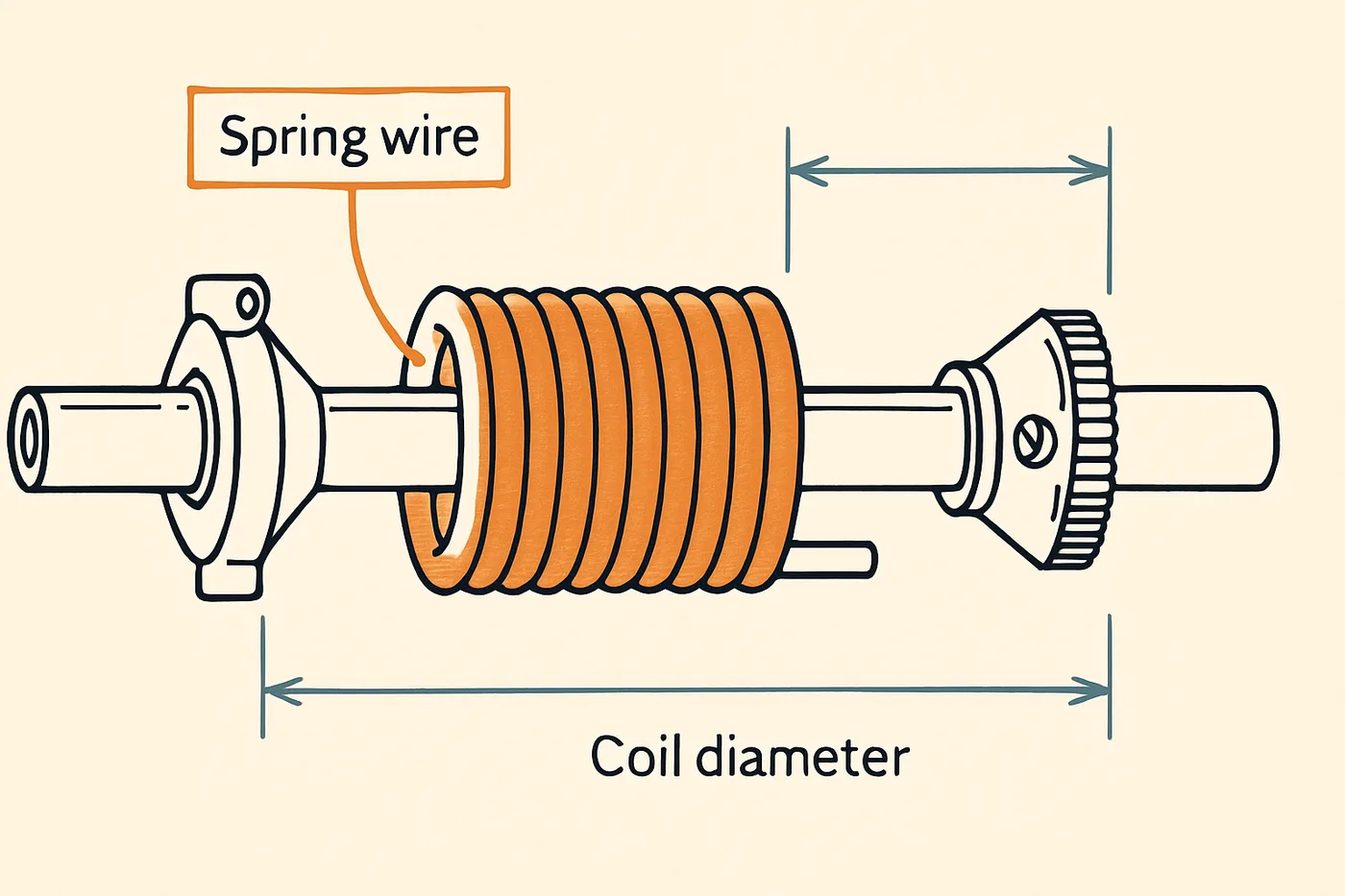
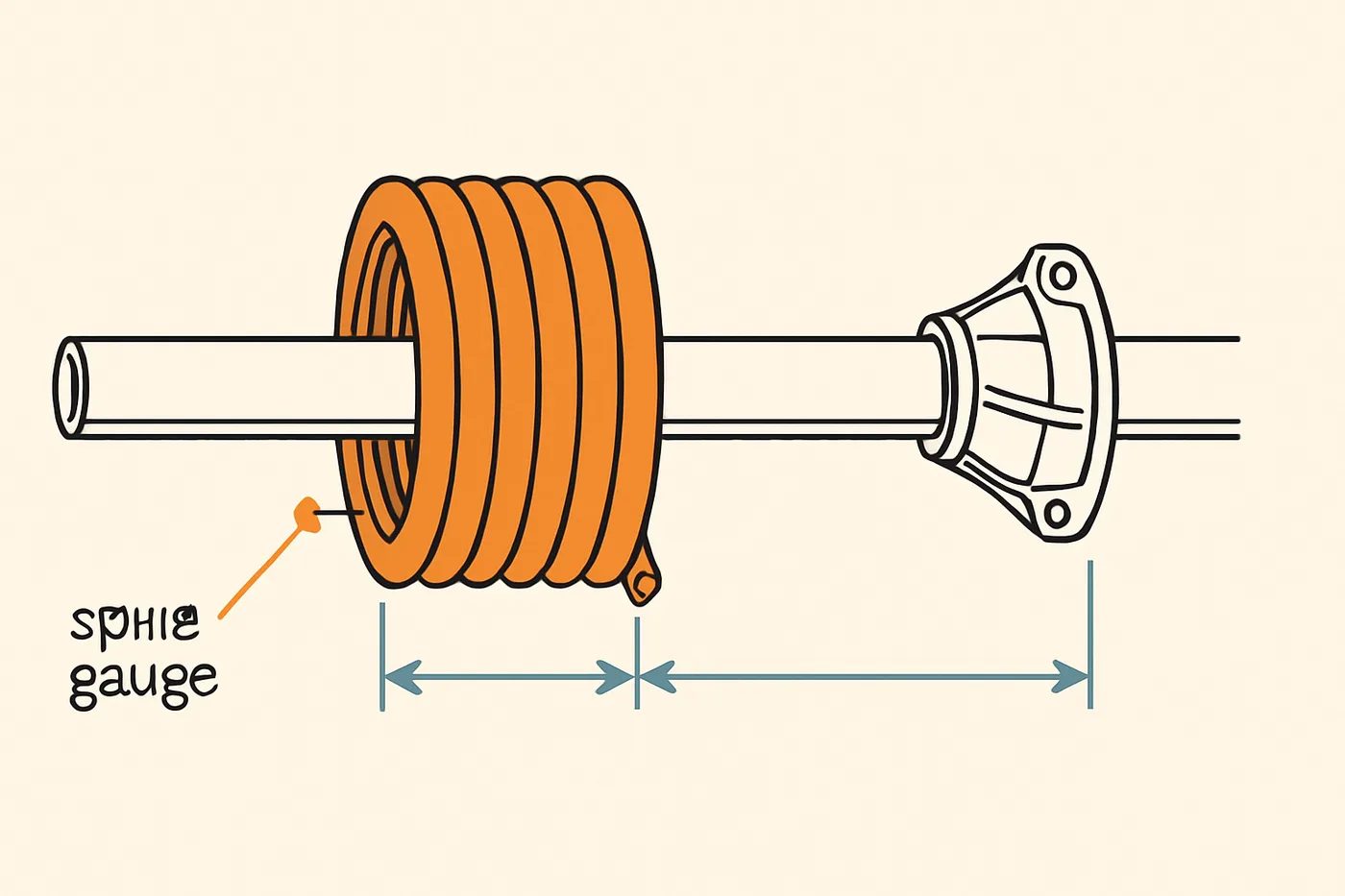
That test is yours to run. Force adjustment, sensor replacement, and any work on the torsion spring system that may be causing the door to bind are not. Force calibration that compensates for a mechanical fault elsewhere in the system creates a door that closes but no longer reverses at 15 lbf. For Las Vegas homeowners, A+ Garage Doors handles opener diagnostics and sensor work as part of standard service; Garage Door Pro Services offers a free safety inspection that includes the 2x4 reversal test and the photo-eye alignment check.
What you can verify yourself: the 2x4 reversal test, the photo-eye alignment by sight, and the manual-lift balance check after pulling the release. What you cannot diagnose without instrumentation: whether the current threshold has drifted, whether the force-learning routine completed correctly, and whether a sensor's signal is degraded but still above the fault threshold. Call a licensed technician for any work that touches force calibration or sensor wiring. The 15-pound threshold exists for a reason. It should not be adjusted by guess.