Why Is My Garage Door So Noisy, and How Do I Quiet It?
Garage door noise usually means dry hinges and rollers, loose bolts or worn rollers. How to tell the door from the opener, and why a bang means stop.

The noise is coming from one of two places, the door or the opener, says Clopay. To find out which, close the door, pull the opener's manual release and move the door by hand. If the door is quiet by hand, the opener is the noisy part. If it is still loud, the door is.
Only do this with the door closed. Chamberlain's manual release page says: "ONLY use the emergency release when the garage door is fully CLOSED, if possible." If the door will not stay where you put it, or feels heavy to move, stop and call a technician.
On the door, the common causes are dry moving parts, loose hardware, worn rollers and tracks that are out of line, according to Clopay.
Some noise is normal. Amarr says squeaking from normal use "does not necessarily indicate a problem."
One sound is different. A loud bang or pop from the spring above the door means stop using the door and call a technician (DASMA TDS 167, page 1).
Not sure which problem this is? Start with our page on a noisy garage door.
Squeaking: parts that need lubrication
Squeaks and creaks "often mean your door's moving parts need lubrication," says Clopay.
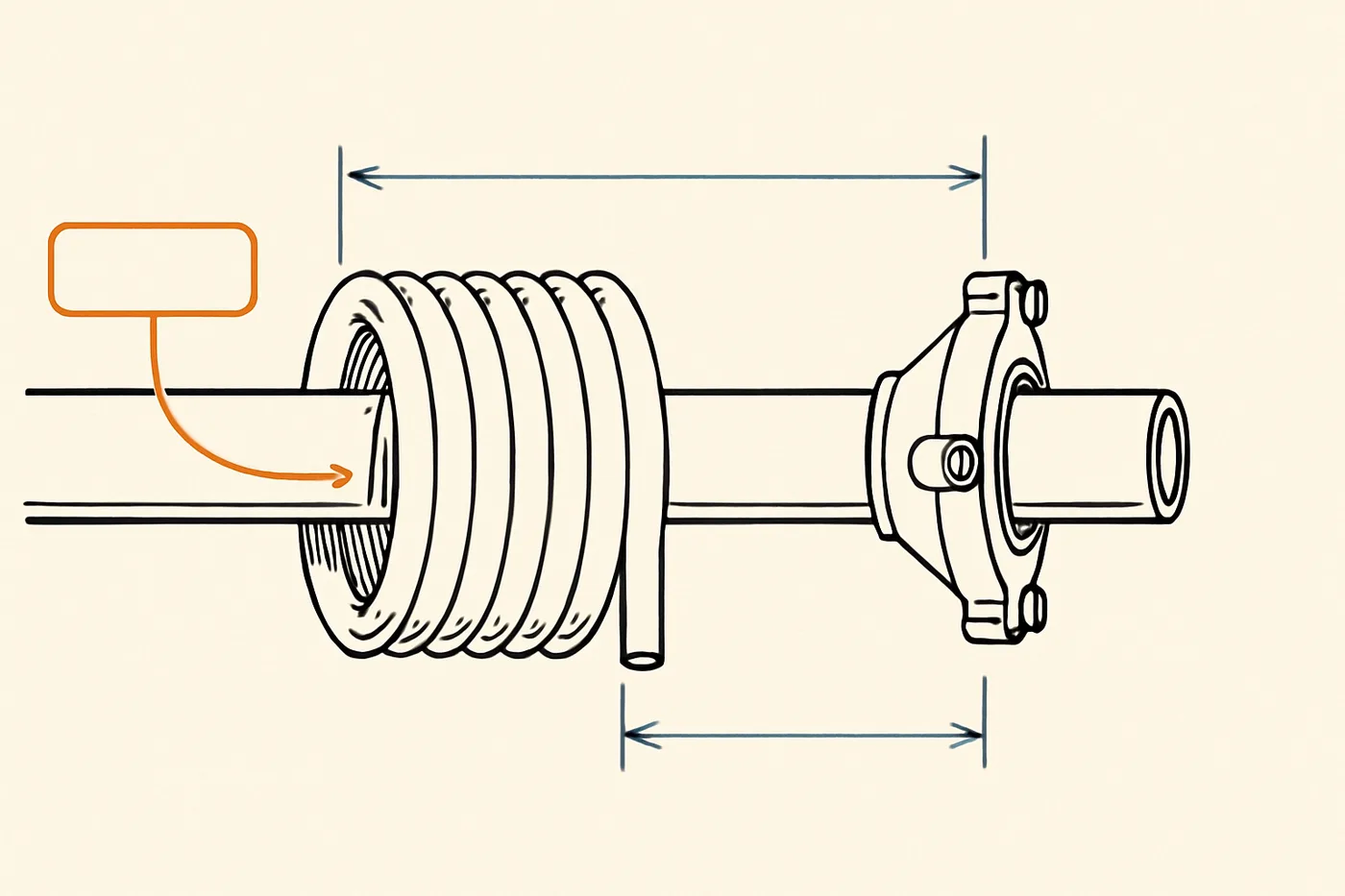
What you can do: lubricate the parts Wayne Dalton's manual names, "hinges, steel rollers and bearings", every 3 to 6 months, closer to 3 for heavy use (Clopay's lubrication guide). Use the type your door maker's manual names, a little at a time, and wipe off the excess. Never lubricate the spring. That is our rule, because spring work is a technician's job, and Wayne Dalton and DASMA say leave springs, cables and brackets to a trained technician. Our guide on how often to lubricate a garage door has the details.
For the type of lubricant, check your door maker's manual; some makers specify non-silicone, among them Wayne Dalton and Amarr (owner's manual, PDF page 5).
Do not lubricate the tracks, says Clopay. Leave nylon rollers dry too: Wayne Dalton and Clopay both say not to lubricate them.
Skip WD-40 and oil-based lubricants. Clopay says they "will attract dirt and dust." We have written more about WD-40 here.
Rattling: something has come loose
A rattle usually means loose hardware: bolts that have "wiggled free over time," a chain drive that needs adjusting, or loose mounting brackets, says Clopay.
What you can do: with the door closed, look over the hinges and track brackets for bolts that are loose or missing, and write down where. Give the list to a technician rather than tightening them yourself. Chamberlain says to "NEVER try to loosen, move or adjust garage doors, door springs, cables, pulleys, brackets, or their hardware, all of which are under EXTREME tension." Wayne Dalton says springs, cables, brackets and other hardware attached to the springs are under extreme tension.
If the rattle is the opener's chain slapping the rail, see the opener section below.
Grinding: tracks out of line, or worn opener gears
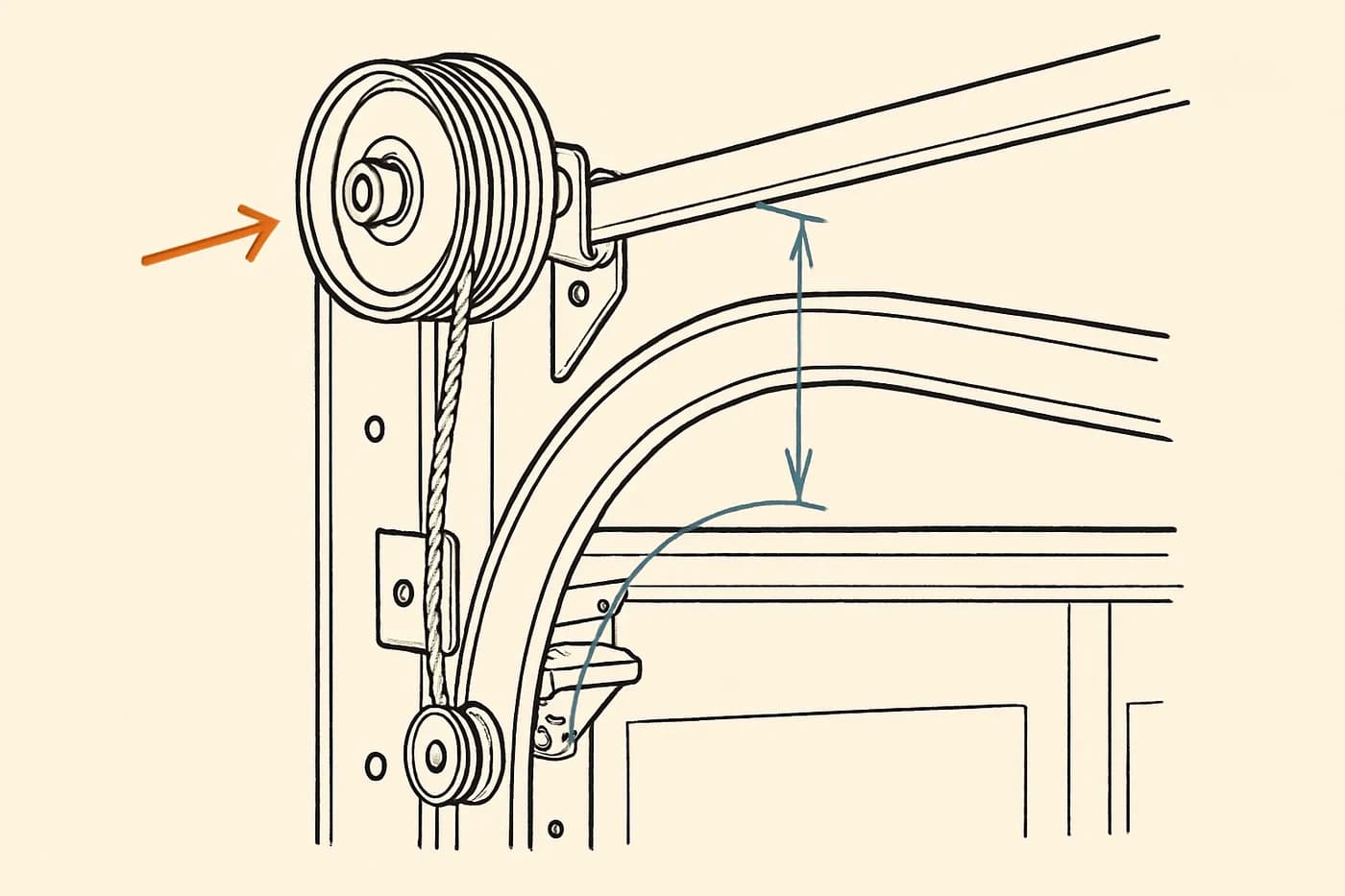
Clopay gives two causes for grinding. Misaligned tracks "force rollers to fight their way along the path," and "worn gears in your opener can also grind." Worn rollers add to it: Clopay's service page says "worn-out rollers can cause excessive vibration."
What you can do: with the door closed, look at the rollers you can see for ones that are cracked, flattened, wobbling or worn, and look along the tracks for a bend or a gap. Then call a technician, because realigning a track or swapping a roller is a technician's job. Wayne Dalton says springs, cables, brackets and other hardware attached to the springs are under extreme tension.
When the rollers are replaced, ask about nylon. Clopay says nylon rollers are "naturally quieter" than metal ones.
If the door is quiet by hand and the grinding only happens with the opener connected, look to the opener, since Clopay names its worn gears as a cause. That is a call for a technician too.
The opener: chain, belt or screw
If the door moved quietly by hand, the noise is in the opener. Check your opener's manual for how its drive is looked after, or have a technician look at it.
If you are choosing a new opener and quiet matters, LiftMaster's buyer's guide calls its belt drive openers "virtually silent." Its quiet openers page says the difference in sound and vibration between chain and belt drive "is noticeable." Our chain, belt and screw drive comparison goes through the tradeoffs.
A bang or pop: stop and call a technician
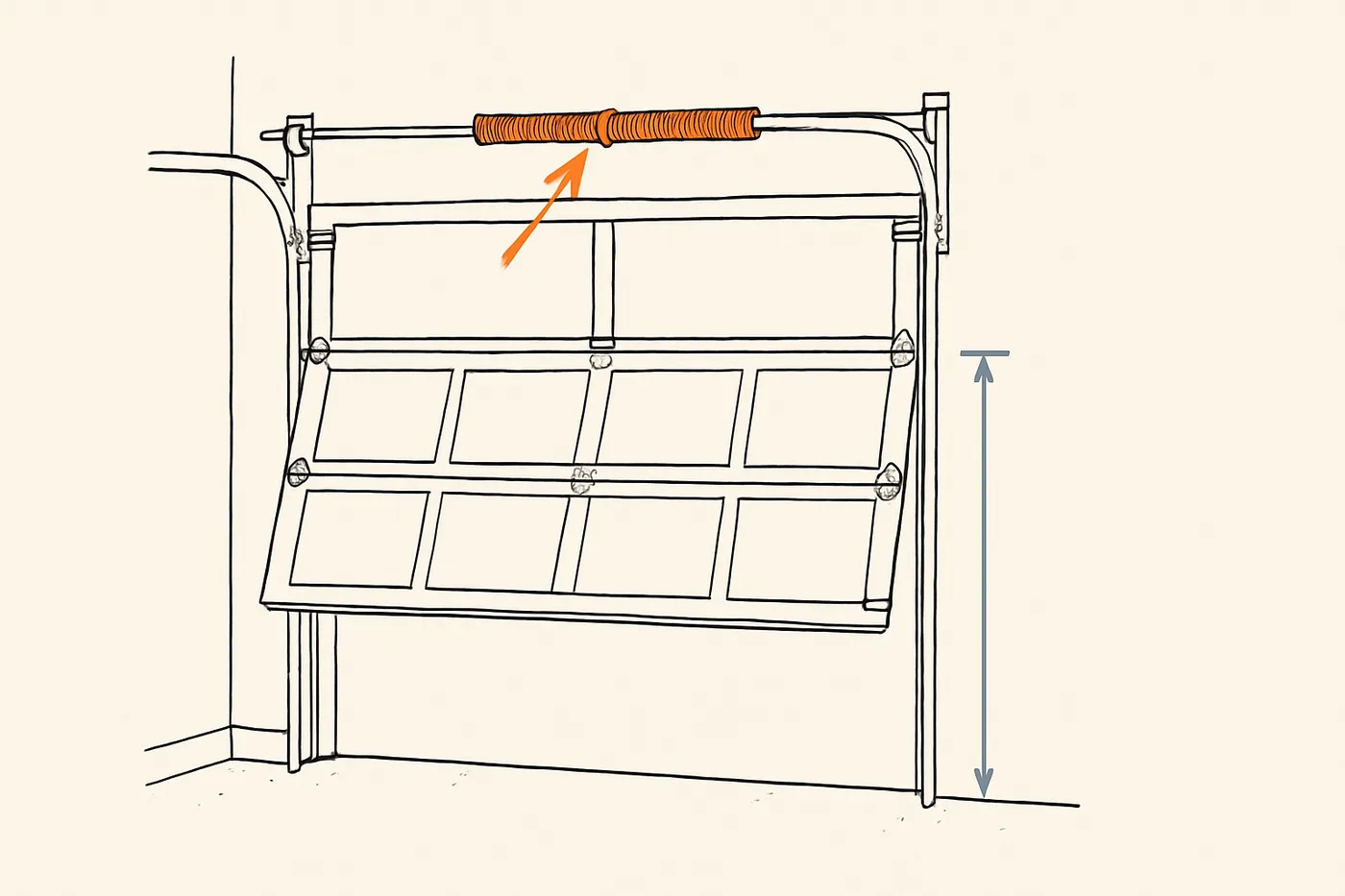
A broken spring makes "a loud bang that sounds like a car backfiring," says Clopay. The springs are under extreme tension (Chamberlain).
If you hear it, stop. Do not try to open the door. DASMA TDS 167, page 1 says that with a broken spring, you should not "operate the door until the spring is replaced." Call a trained technician. Replacing a spring is their job, with the right tools, and never a weekend project.
What you can do this weekend
- Find the source. With the door closed, pull the manual release and move the door by hand. Listen for where in the travel the noise happens, and in which direction. If the door will not stay put or feels heavy, stop and call a technician.
- Look. Check the hinges, track brackets and rollers for anything loose, worn or bent, and write it down for the technician.
- Lubricate. The hinges, steel rollers and bearings, with the type your door maker's manual names. Not the tracks, not nylon rollers, never the spring.
- Test. Reconnect the opener and run the door again.
If the noise is still there, or you found worn rollers, loose brackets or a bent track, call a technician. Amarr says the same: if the noise persists, call a professional. A+ Garage Doors (our affiliated installer) can handle same-day diagnostics and repair, or Garage Door Pros (our affiliated installer) offers a free safety inspection to evaluate the full system before you commit to any work.
Listening is the first repair
Clopay calls these sounds early warning signs of wear and tear. Notice the sound, find where it comes from, and you can deal with it while it is still small.