Garage door cables and drums: what they do and when to call a technician
What door makers say about the cables and drums on a torsion spring door: where the drums sit, why balance matters, the signs of a spring or cable problem, and when to stop using the door and call a technician.

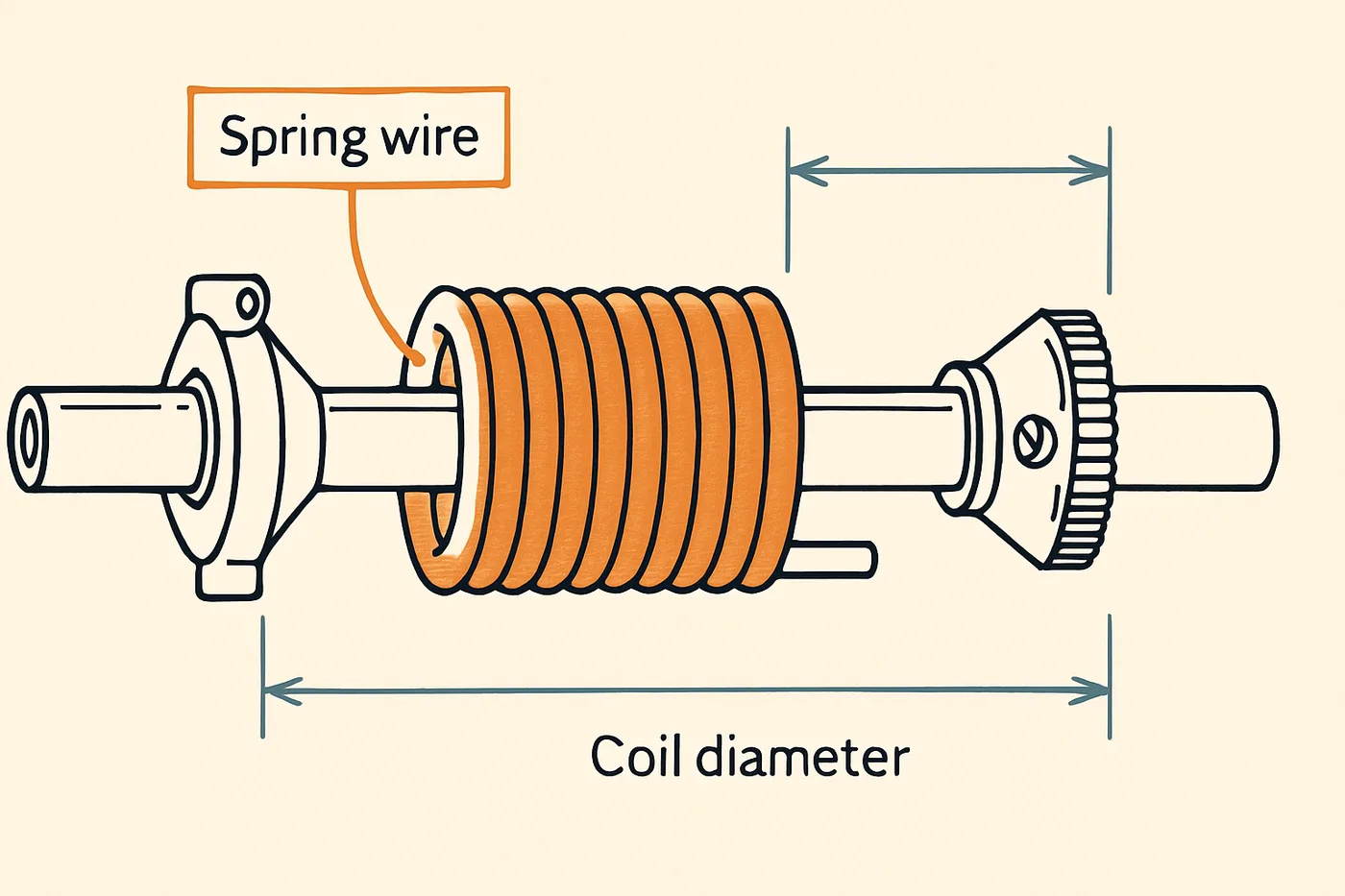
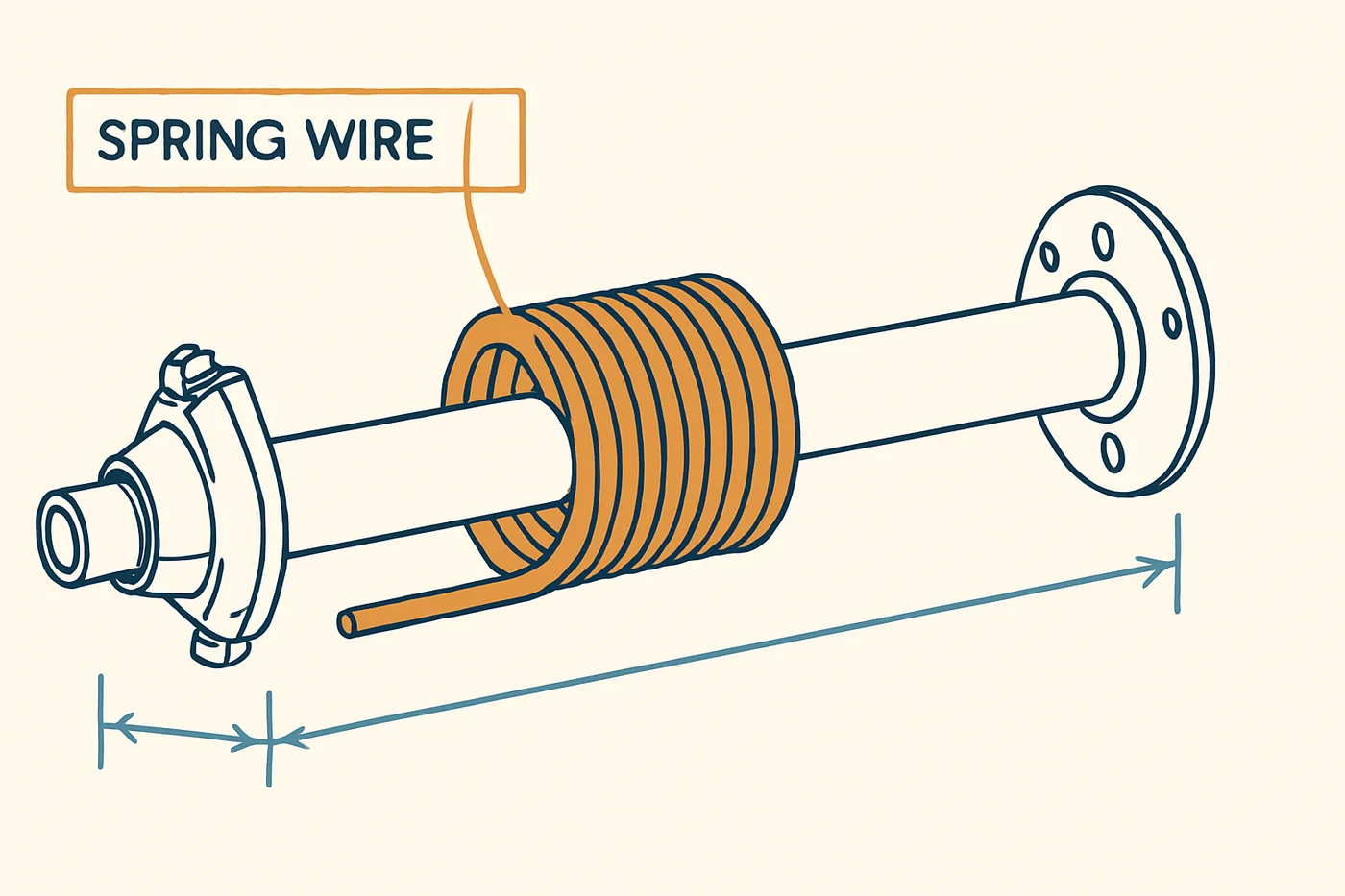
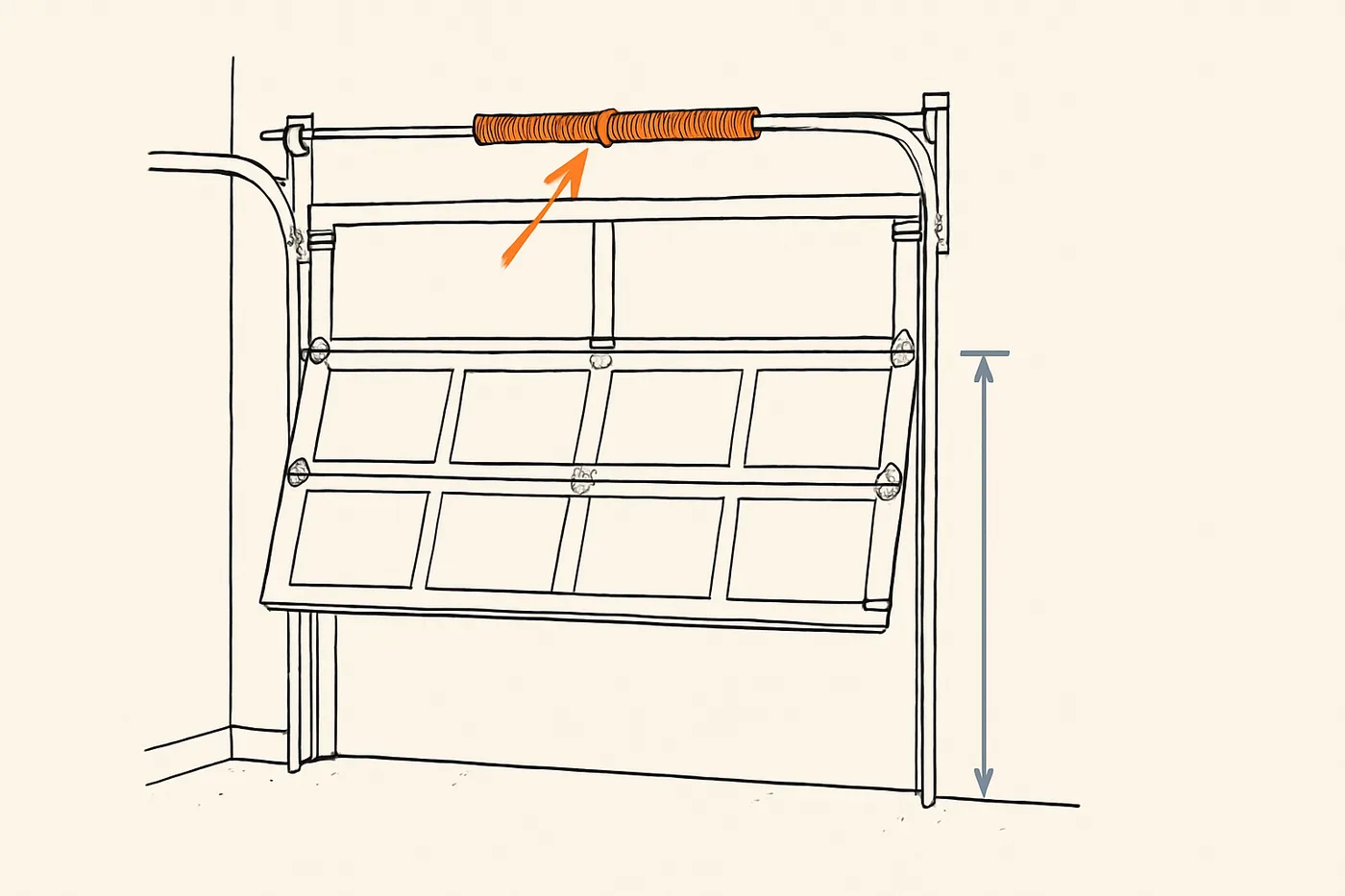
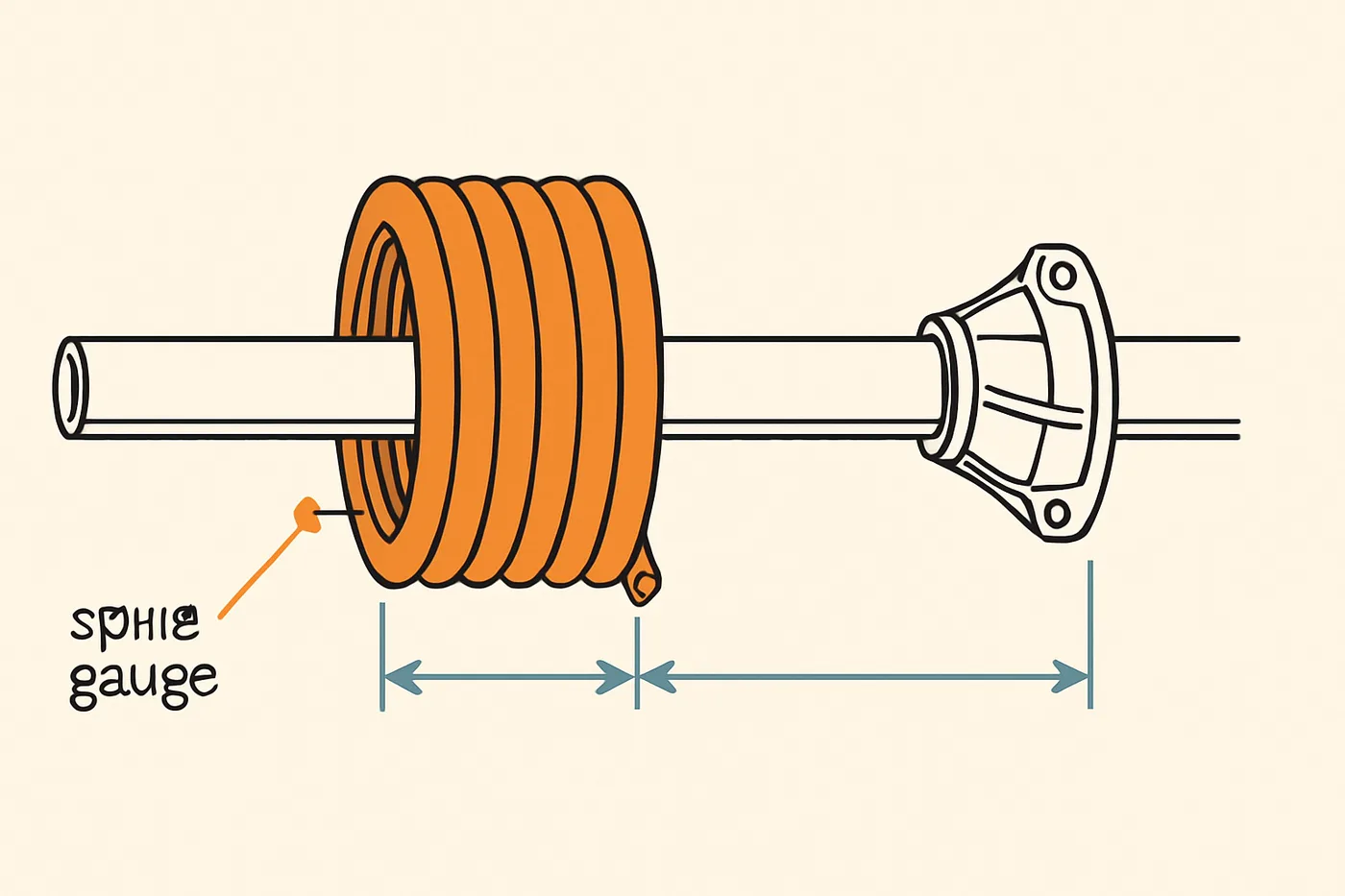
Clopay's spring guide says torsion springs are mounted horizontally above the door on a metal shaft, and that end-set springs are mounted near the ends of the torsion shaft, closer to the cable drums. This post sticks to what door makers say about that part of the door.
Not sure which problem this is? Start with our page on a garage door that is off track.
What the springs and cables do
Clopay's spring guide says that when the door is closed, torsion springs are wound tight, steel cables connected to the springs run along the sides of the door, and as the door opens the energy from the springs is transferred through these cables, which pull the door upward. Clopay's parts page says cables work with the springs to lift and lower the door, and that improper cables can cause the door to malfunction or create safety risks.
Why balance matters
Chamberlain's balance article says that with the opener disconnected, a door that slams shut or shoots upward with force is out of balance, and to contact a professional door technician. Clopay's spring guide says springs that are too loose or too tight can unbalance the door, which can lead to jerky movement, extra wear on the opener, or even the door slamming shut.
Cold weather, broken springs and the cables
Clopay says winter breakage is more common because spring wire becomes more brittle and weaker in colder temperatures. Clopay's spring guide says a broken or worn-out spring can suddenly give way, causing the door to slam shut or even fall, and can put added strain on cables, rollers and the opener.
The spring fatigue lab is an illustrative model of how cold changes a spring's cycles to failure.
A standard spring is rated for about 10,000 cycles, one cycle is one full open and close, and at four cycles a day that is about seven years (IDC Spring, a spring manufacturer).
What you can check, and what is technician work
Clopay's service and replacement guide says that if the sides do not move evenly, it can indicate an issue with the springs, cables, or tracks, and that if the cables are frayed, they are in danger of breaking and could cause serious injury or property damage, and to contact a professional to replace the cables. A door whose sides do not move together is the crooked sign in the list below: stop using the door and call a technician.
Clopay's service and replacement guide also says to inspect the cables for signs of wear like fraying or rust, and to call a professional if you notice damage.
Clopay's spring guide lists the signs of a spring problem you can notice while the opener runs the door: the door seems unusually heavy or the opener is straining more than usual, the door looks crooked as it moves or gets stuck partway, you hear loud banging or snapping noises, or you see a break or gap in the spring above the door.
Stop using the door and call a technician if you see a break or gap in a spring, hear loud banging or snapping, or the door looks crooked, gets stuck partway or feels unusually heavy. Do the same if you see a frayed or kinked cable or a cable off its groove; that one is our rule, not on Clopay's list. If the only sign is an opener that sounds like it is straining, book a technician.
Work on the drums, cables, springs, brackets or torsion shaft is technician work. Chamberlain's balance article says never to loosen, move or adjust door springs, cables, pulleys, brackets, or their hardware, all of which are under extreme tension, and Clopay's spring guide says even a small mistake can cause serious injury or property damage. Clopay's parts page says only trained professionals should handle the replacement or adjustment of springs and cables. In the Las Vegas area, A+ Garage Doors (our affiliated installer) says on its repair page that it provides same-day residential garage door repair across Las Vegas, Henderson and nearby cities, including a cable that broke, and it has a page on garage door repair in Henderson. In St. George and surrounding areas, Garage Door Pro Services (our affiliated installer) offers customers a free garage door safety inspection, and its page lists a visual inspection for wear and a balance test among what is included.