Why a heavy garage door feels light in your hand
Garage doors feel light because of springs and counterbalance systems that offset weight. Learn how these mechanisms work to make doors easy to open.

A garage door is heavy, and an insulated double-wide door is heavier still. A balanced door feels light to move because you are not lifting the door. You are lifting the small residual imbalance that the counterbalance system has not already cancelled.
That is the entire trick. Everything else in this article is the mechanism behind it.
What the counterbalance system actually does
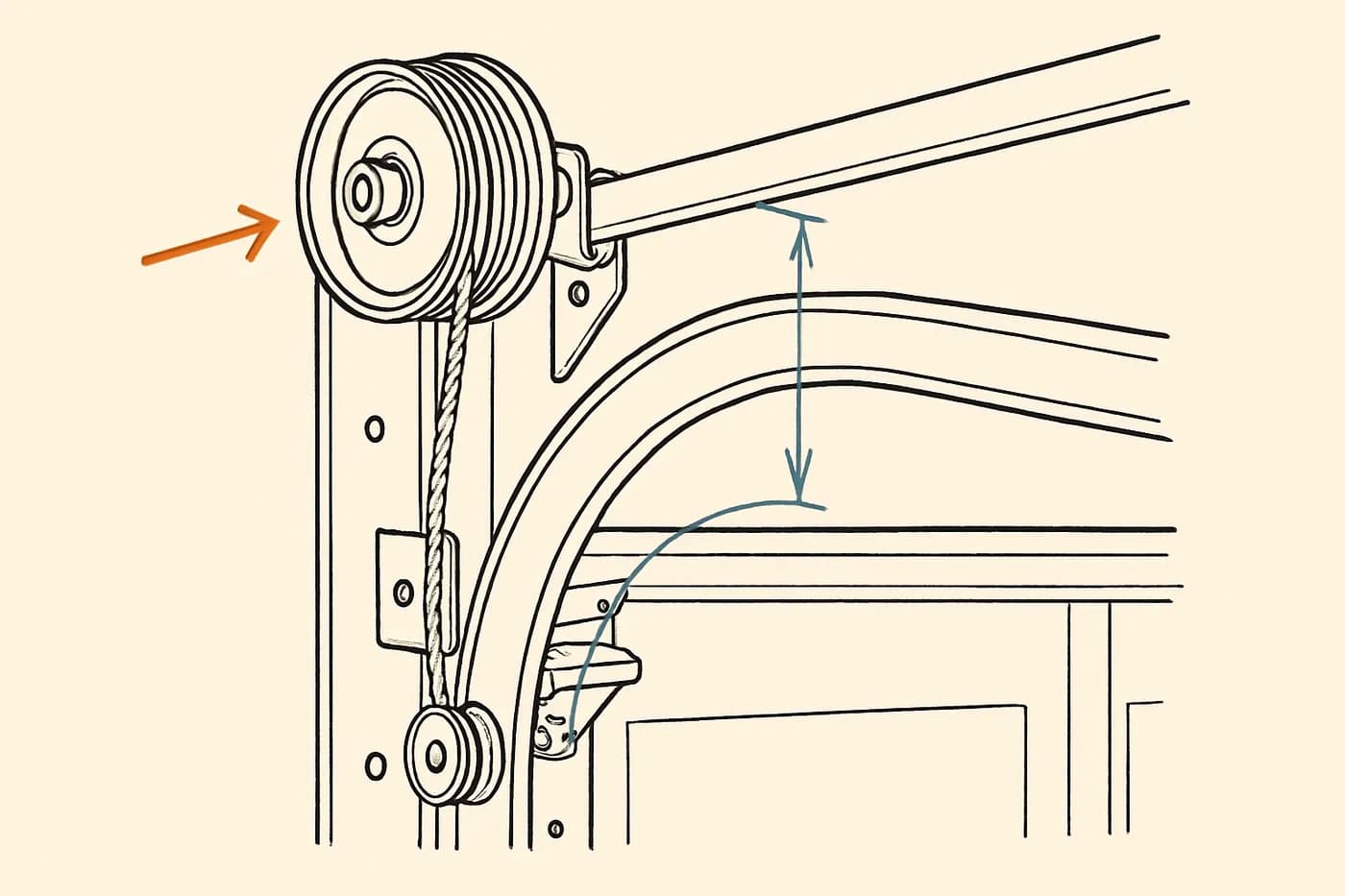
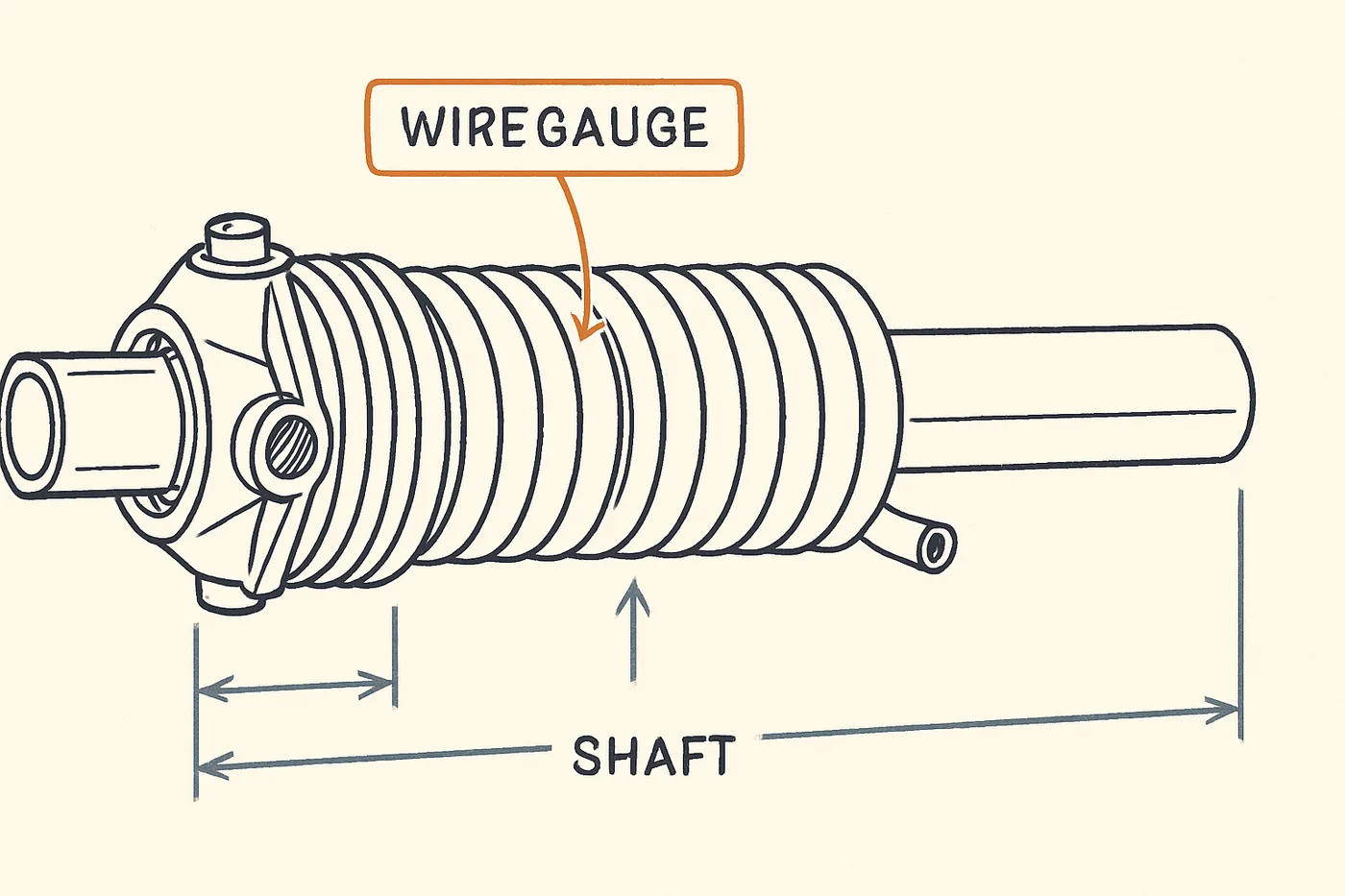
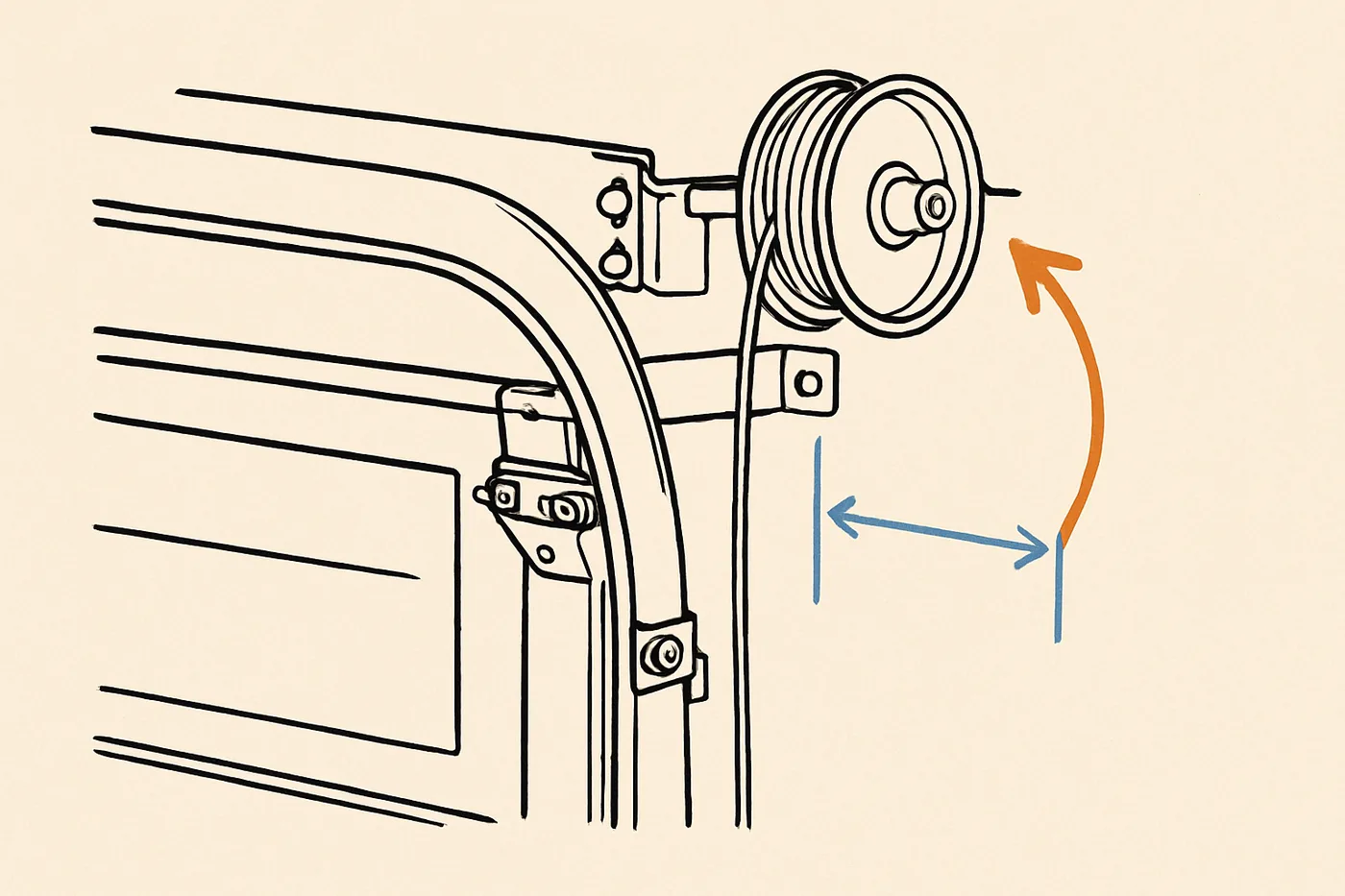
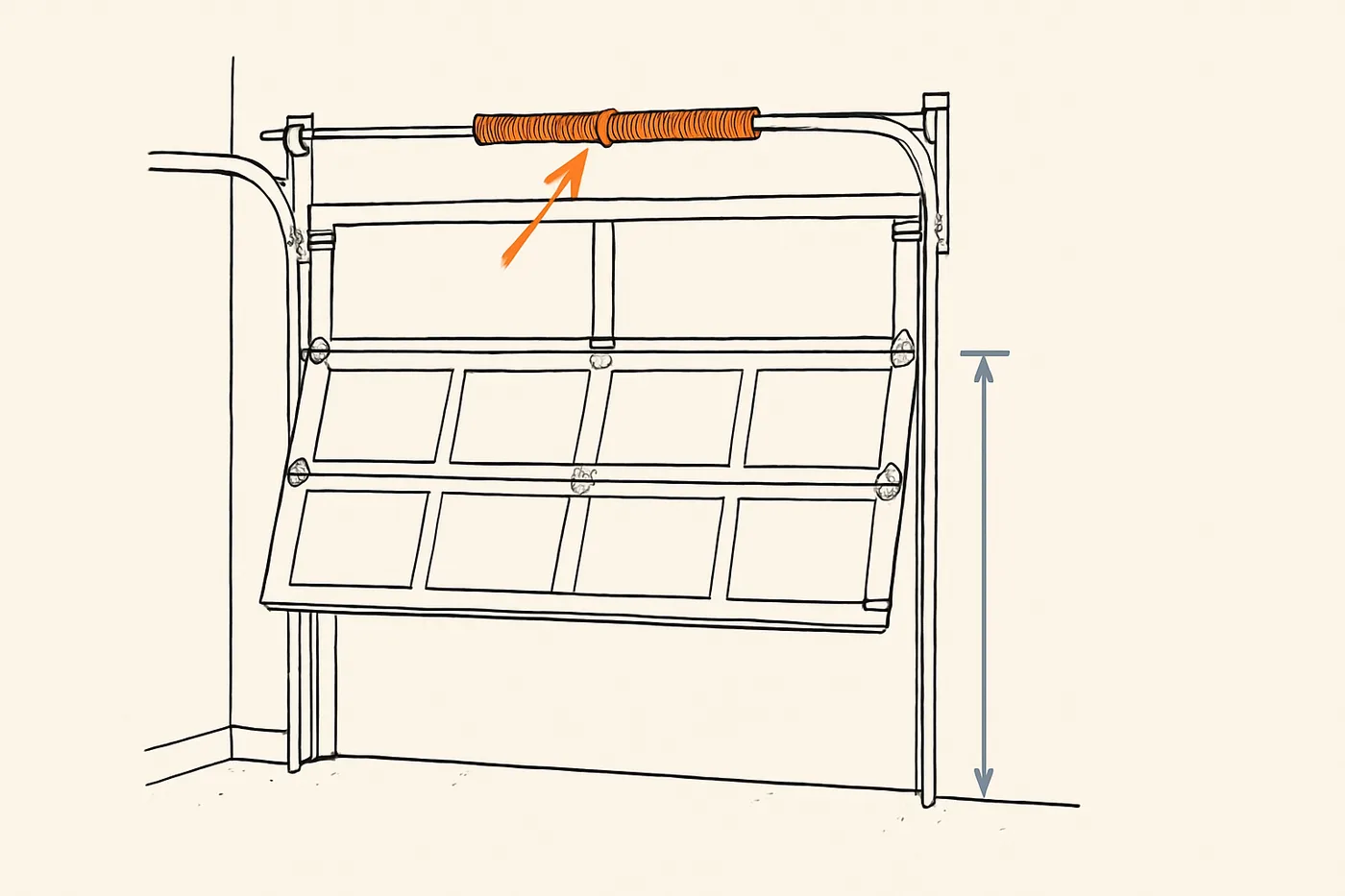
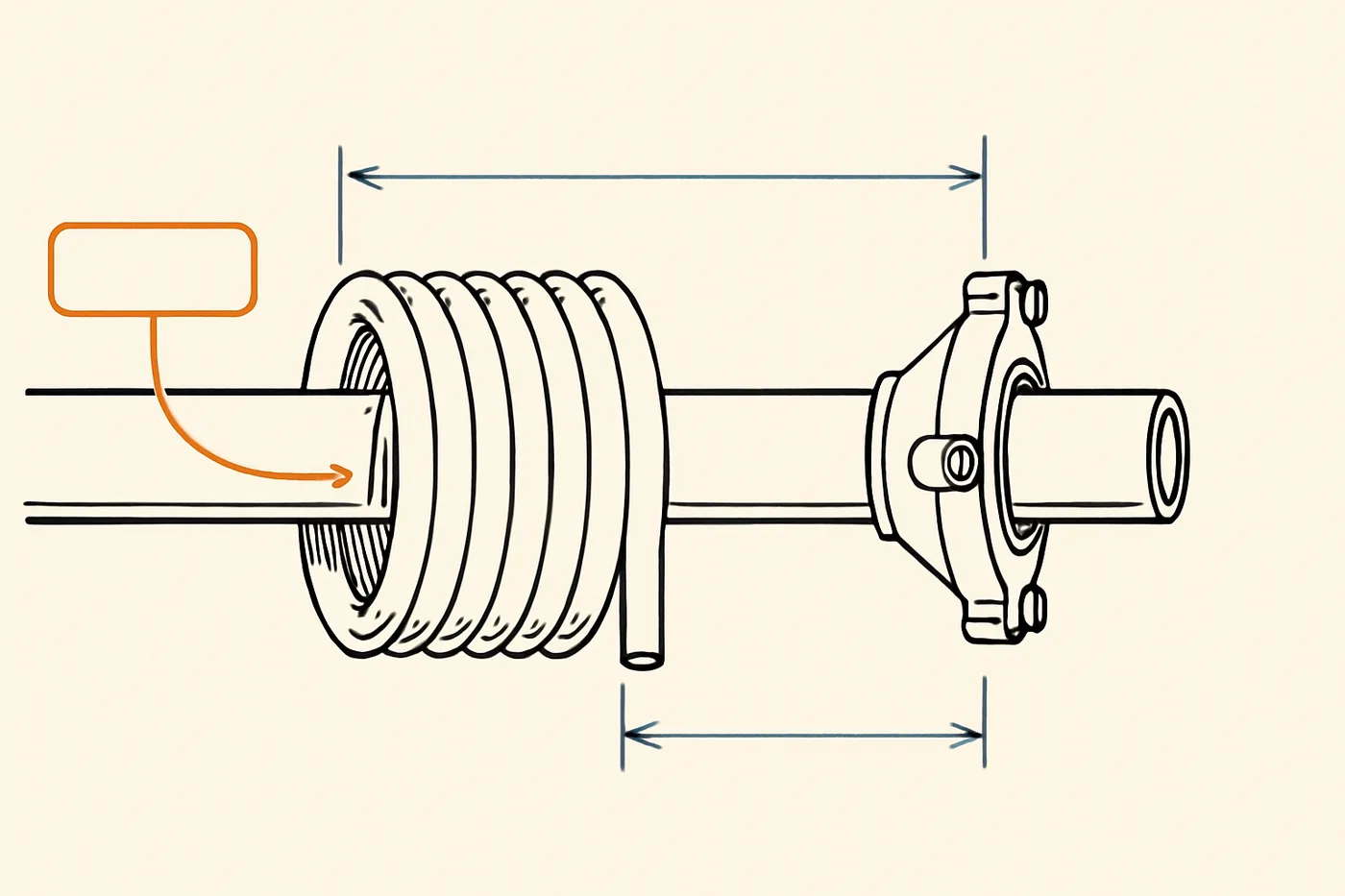
The counterbalance system is a closed loop of stored mechanical energy and steel cable. A torsion spring is mounted above the door on a shaft. Cables run from that shaft, around drums at each end, down to brackets on the bottom corners of the door. When the door is closed, the spring is wound to a tension that stores energy roughly equal to the gravitational potential energy the door would gain if you lifted it to the fully open position.
When the door rises, the spring unwinds and releases energy through the shaft, through the drums, through the cables, and into lifting the door. When the door descends, gravity rewinds the spring. The system trades potential energy back and forth between the spring and the door's height. The springs lift the door. Gravity lowers it. The opener, when present, supplies only the small correction needed to overcome friction and break static balance.
The reason it feels light instead of heavy is that the spring is sized to nearly cancel the door's weight at every point along its travel. "Nearly" is the operative word. A perfectly balanced door would float at any height. A correctly balanced door drifts an inch or two and then stops.
What the opener does, and what it does not do
The opener does not lift the door. This is the most consistently misunderstood part of the assembly. Read that sentence again, because it determines almost everything else about how the system ages.
A 1/2-horsepower opener motor produces nominal output measured in foot-pounds at the output shaft. That is not enough to lift a full-weight door against gravity at any reasonable speed. The opener works because the springs lift the door and the opener merely nudges a balanced door up and pulls it back down. The trolley on the rail is overcoming friction and a small imbalance margin. Nothing more.
A weakening spring system is, mechanically, an opener-killing problem. As the springs lose tension across thousands of cycles, the door's effective weight at the opener climbs toward its full weight. The opener starts doing work it was never designed to do: the motor strains, the gears wear, and the limit switches drift out of calibration. The opener does not fail because it is old. It fails because the springs aged underneath it and nobody noticed.
How much energy is in the spring
A fully wound spring holds a lot of energy, and a slipped cone or a mishandled winding bar can seriously injure the person holding it.
This is why the inspection work and the repair work are separated by a hard line in every responsible writeup of this system. Winding a spring is not safe. The balance check the makers describe for owners is a different job, and our balance test page covers it. The physics is identical on either side of that line; only the energy state of the spring has changed.
Cycle life and why balance is a service-life multiplier
A standard residential torsion spring is rated for approximately 10,000 cycles, which works out to about seven years at four cycles a day. One cycle is one open-and-close. Four cycles a day, 365 days a year, is 1,460 cycles, and 10,000 divided by 1,460 is roughly seven years; temperature swings and minor imbalance can cut that shorter.
If you cycle the door more than four times a day (a household with two adults working from home, an attached garage used as the primary entry), a standard spring wears out sooner. Higher-cycle springs are available as upgrades: IDC Spring, a spring manufacturer, says certain wire types can offer 25,000 cycles or even 50,000.
The deeper service-life point is this: when the spring is undersized or fatigued, the opener has to make up the difference, and its motor and gears work harder than they were designed to. The spring is not just a convenience component. It is the load regulator for the entire assembly.
The balance check, as the makers describe it
There is one test of the counterbalance system: with the door closed, disconnect the opener with the manual release, lift the door partway and let go. Chamberlain says a balanced door stays in place, supported entirely by its springs, and that is the signal that the springs are carrying the door's weight in equilibrium (our balance test page has the steps). You can notice the signs without touching the door: it hesitates, shudders or sounds strained while the opener moves it, or it moves unevenly or reverses unexpectedly. If you see them, or the door is very heavy, drops fast, will not stay up, or a spring or cable looks broken, do not lift it: stop and call a technician.
A door that crashes downward is undersprung: the springs have weakened or were never matched to the door's weight. A door that snaps upward is oversprung, which is rarer but equally a problem because the opener now has to fight the spring on every close cycle.
That test tells you whether the system you are about to spend another seven years pressing a button on is doing its job. Many local service companies, including Garage Door Pro Services (our affiliated installer), include this check inside a broader free garage door safety inspection at no charge, and Las Vegas homeowners can get same-day adjustment through shops like A+ Garage Doors (our affiliated installer) when the balance test fails.
What you can verify, and where the line is
What you can verify yourself: the signs described above. A visual inspection of the spring for gaps in the coil, surface rust, or a separation at the center. A listen for new sounds: grinding, popping, or a sudden change in how hard the opener is working.
What you cannot do safely: any adjustment that requires inserting a winding bar into the spring cone. Any cable work at the drum. Any bracket work at the bottom corner, where the cable is anchored under the full lifting tension of the system. It releases, all at once, in whatever direction the geometry of the failure points.
Looking at the springs is yours. The tension work is not. Call a licensed technician who arrives with the correct winding bars, the correct spring size for the measured door weight, and the training to handle the energy state of the assembly. The physics does not care about your confidence level.