Genie StealthDrive Connect 7155: Full Review and Buyer's Guide
Comprehensive review and buyer's guide for the Genie StealthDrive Connect 7155 opener. Learn specs, features, installation, and whether it's right for your garage.

If you've narrowed your opener search down to the Genie StealthDrive Connect 7155, you're probably doing it for one of three reasons: it's quiet, it has battery backup built in, and it's not made by Chamberlain. Those are good reasons. Whether they're your reasons is what the rest of this article is for.
The 7155 is Genie's flagship belt-drive opener. Installed pricing lands between $450 and $650, with a 12 to 15 year expected service life — which puts it in the same price band as a LiftMaster belt-drive installed by a pro, and a step above retail Chamberlain. It's the kind of opener most homeowners with an attached two-car garage should be considering.
What it actually is
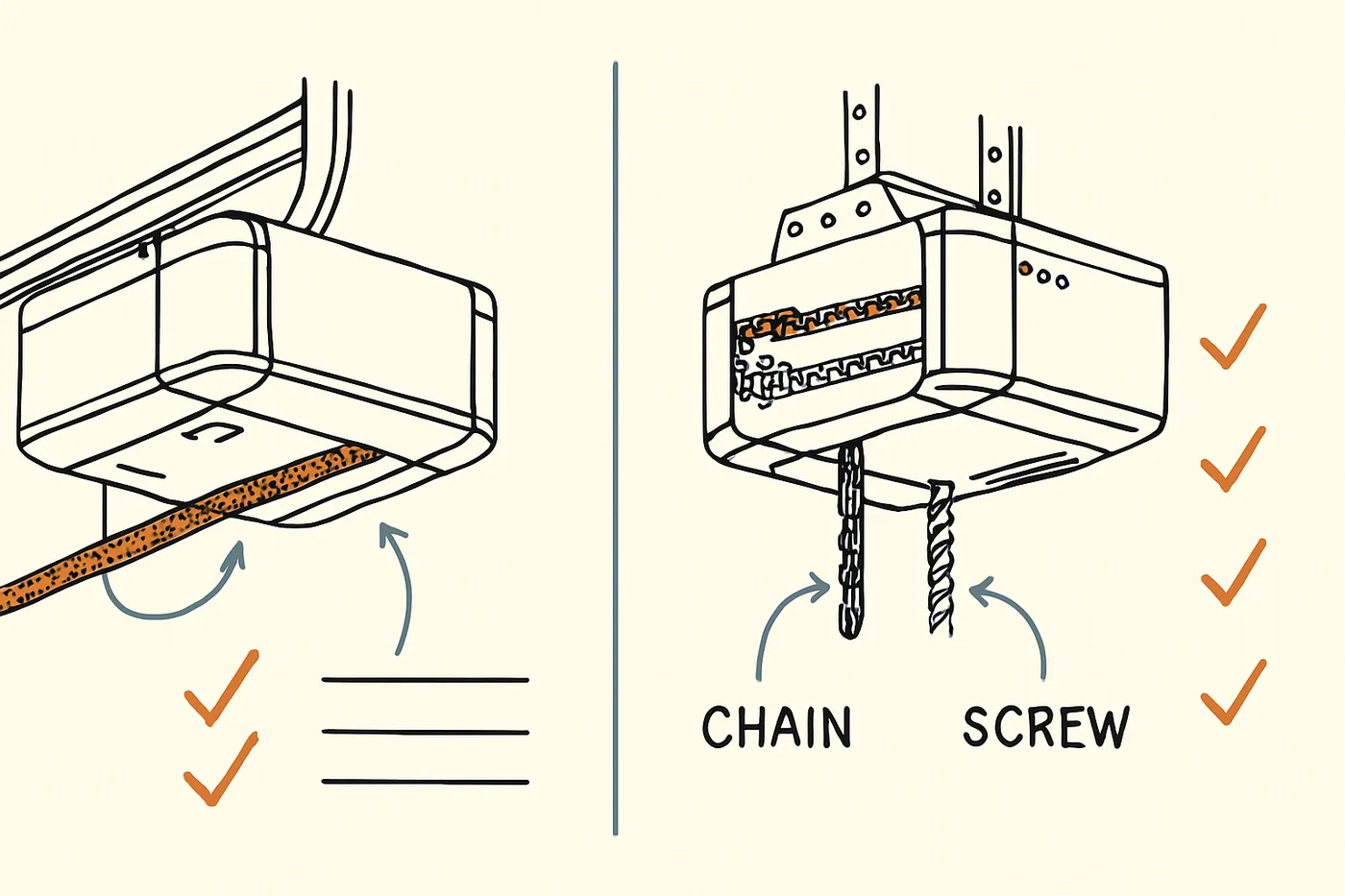
Mechanically, the 7155 is a three-quarter horsepower DC belt-drive opener with a steel-reinforced rubber belt running the trolley along a one-piece rail. That horsepower number matters more than the marketing admits. For a double-car door, a solid wood door, or an insulated steel door over 16 feet wide, three-quarter horsepower is the minimum to avoid premature motor burnout. The 7155 sits at that minimum, which is fine for most doors and underspec'd for the heaviest.
The belt drive is what makes it quiet. A belt-drive opener operates at roughly 50 dB versus a chain drive's 70-plus dB, which is the difference between audible and nearly inaudible operation in attached garages with bedrooms above. If you're not sure why the chain is so much louder, the noise comparison video walks through the mechanics in about three minutes.
The features that actually matter
Three things on the spec sheet justify the price. The rest is noise.
Battery backup is standard. This is the biggest single argument for the 7155 over its competitors at this price. Battery backup adds $75 to $150 when bought as an accessory, and it satisfies California's SB-969 requirement for battery backup on all new residential installations. SB-969 has applied to every opener sold or installed in California since July 1, 2019, and smart functionality alone does not satisfy it. If you're in California, this is not optional. If you're not, it's still the feature you'll be most grateful for the next time the power goes out and you need to get the car out of the garage.
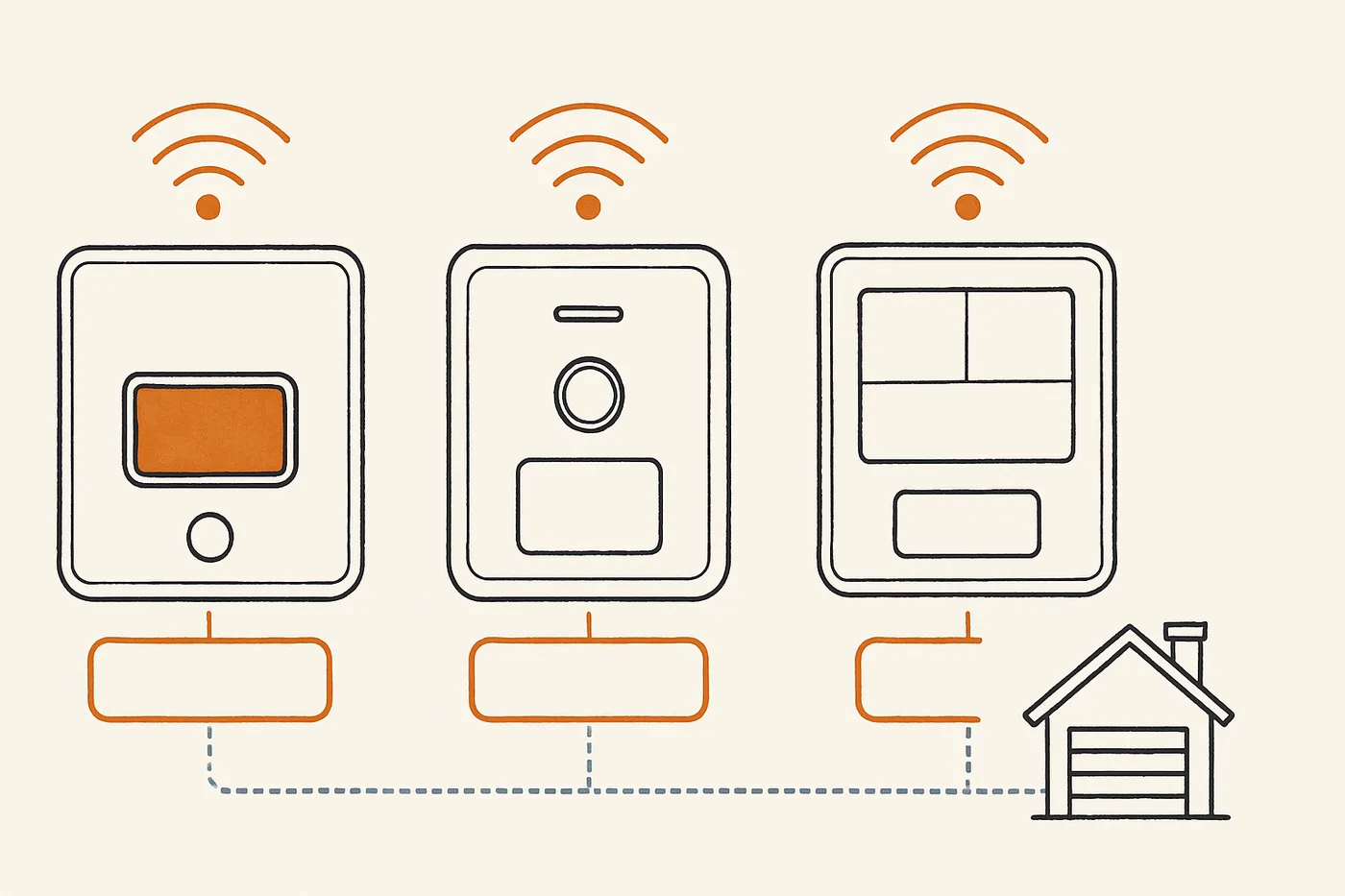
Aladdin Connect WiFi is built in. Built-in WiFi adds $50 to $100 to an opener's price when it's not an add-on, and most premium openers in 2026 include it as standard. The 7155 uses Genie's Aladdin Connect platform, not MyQ. That distinction matters more than it used to. CISA — the federal Cybersecurity and Infrastructure Security Agency — has issued advisories specifically about vulnerabilities in the MyQ platform used by Chamberlain and LiftMaster, which makes Aladdin Connect a notable alternative for security-conscious buyers. Aladdin also supports Amazon Key, which lets a delivery driver open your garage, place a package inside, and close the door behind them. MyQ pulled its Amazon Key integration years ago. Genie kept it.
One-piece steel rail. Most openers in this price range ship with a three-piece rail you have to assemble during installation. The 7155 ships in one piece. This sounds like a minor convenience until you're standing on a ladder trying to align three rail sections in the dark. It's a real install-time advantage and it eliminates the most common cause of belt drift in the first year.
The failure mode
Every opener has one. The 7155's is the limit-switch logic on the control board.
When the board fails — usually in years eight to ten — the door starts behaving inconsistently. It might reverse halfway, refuse to close, or close and then immediately reopen. The board is replaceable, but parts availability for Genie is worse than for LiftMaster or Chamberlain. Most regional supply houses stock LiftMaster boards on the shelf. Genie boards have to be ordered. If your opener is your only way into the house and the board fails on a Friday night, this is the difference between fixing it Saturday morning and fixing it Tuesday afternoon.
The motor itself is solid. The belt is solid. The rail is solid. It's the electronics that age first, and the parts ecosystem around them is the 7155's real weakness.
How it stacks up against the obvious alternatives
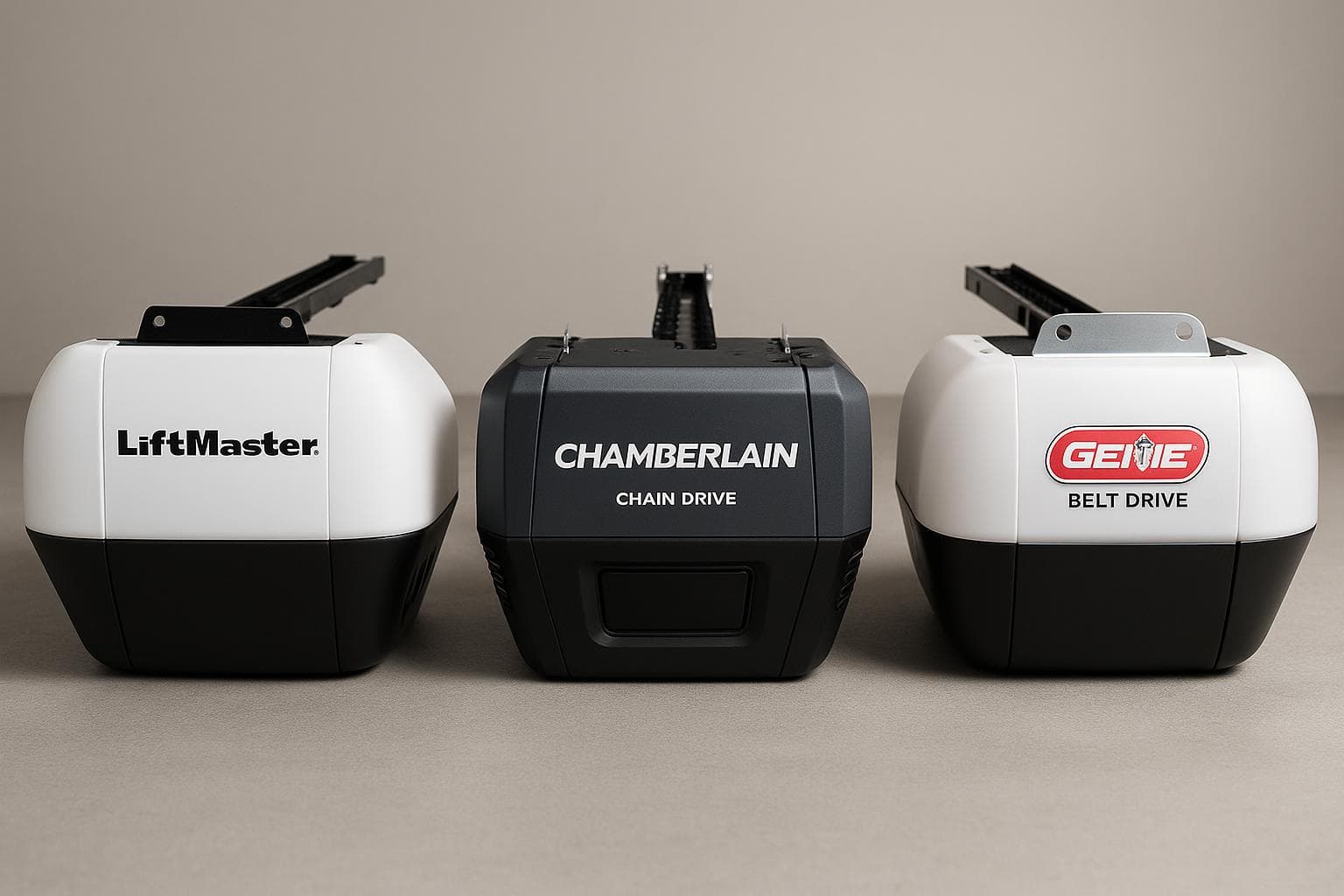
Three openers compete for this buyer. Here's the honest comparison.
LiftMaster 8550W (pro-installed belt drive). Same price band — $450 to $650 installed, with a lifetime warranty on the motor and logic board. Better parts availability, better service network, MyQ has known security issues. If you don't care about smart features, LiftMaster wins on long-term serviceability. If you do, Genie wins on platform.
Chamberlain B4505T (retail belt drive). $250 to $350 self-installed with a 5-year limited warranty. Cheaper, but you're doing the install, you're getting MyQ, and the warranty is a third as long. Right answer for confident DIYers on a budget. Wrong answer for almost everyone else.
Sommer or LiftMaster direct-drive. $650 to $900 or more installed, lasts 20 years or more, lifetime warranty on the motor. The direct-drive jaw motor has half the moving parts of any belt drive. If you're planning to stay in the house 15+ years, this is where the math starts to favor spending more up front.
What the installed bill actually looks like
For a typical attached two-car garage in 2026, a mid-tier belt-drive replacement with battery backup and one extra remote totals approximately $660 installed. The 7155 lands right at that number — sometimes under, because the battery backup isn't an upcharge. For Las Vegas homeowners, A+ Garage Doors handles 7155 installs as part of their standard residential service, and Garage Door Pro Services bundles a free safety inspection of the springs and cables with new opener installs — which matters because a new opener can't compensate for tired springs.
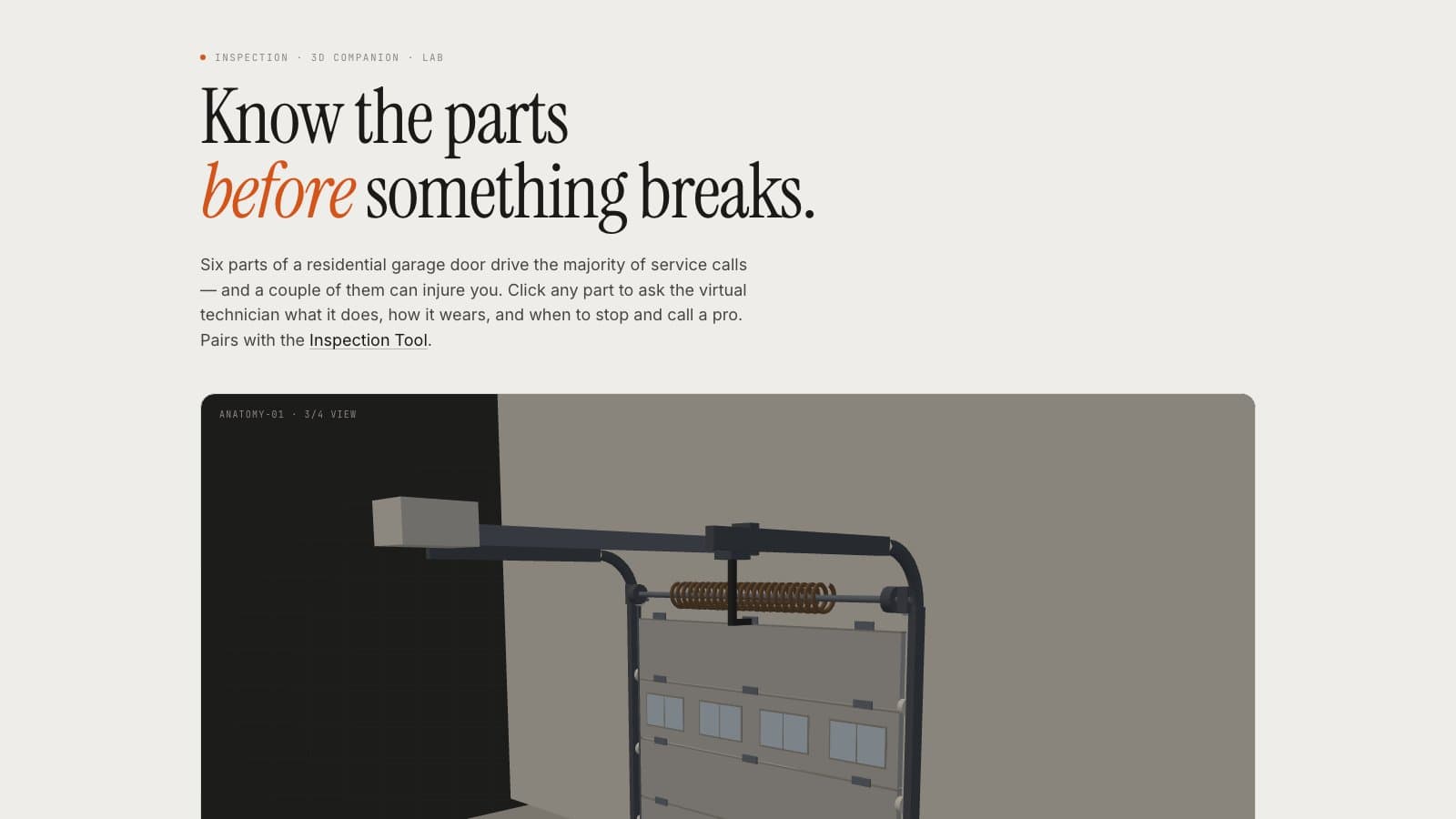
One thing worth knowing before the installer leaves: ask about the spring cycle rating. Standard residential torsion springs are rated to 10,000 cycles, roughly 7 to 10 years of daily use, while high-cycle springs rated to 25,000 to 100,000 cycles cost $75 to $150 more and last proportionally longer. If your springs are within a year or two of end-of-life, replacing them at the same time as the opener is cheaper than two separate service calls. If you want to understand why springs do so much of the work the opener gets credit for, the garage door anatomy lab walks through the force balance.
Should you buy it?
Three questions.
One: are you in California, or do you want battery backup without paying extra for it? If yes, the 7155 is at the top of your list. It's the cleanest path to a code-compliant install at this price point.
Two: do you care about smart-home integration, and specifically about not being on the MyQ platform? If yes — Amazon Key matters to you, or the CISA advisories make you uncomfortable — the 7155 is the obvious choice. Aladdin Connect is the main credible alternative to MyQ in 2026.
Three: how long are you staying in the house? Under ten years, the 7155 is the right answer. Ten to fifteen, it's still defensible but you should price out a LiftMaster pro install for the lifetime warranty. Over fifteen years, look at direct drive instead — the math on a 20-year opener with a lifetime motor warranty starts to win.
For the middle-of-the-road case — attached two-car garage, planning to stay seven to twelve years, want it quiet, want battery backup, don't want to think about it again — the Genie StealthDrive Connect 7155 is a buy. If you want to understand the physics of what you're controlling when you push that button, the science of garage doors lab is the next thing to read, and Maya's tech-decoded video covers the smart-feature landscape in more depth.