Garage Door Installation Cost in 2026: What You'll Actually Pay
Learn what garage door installation costs typically run, including labor, materials, and factors that affect total price for your home.

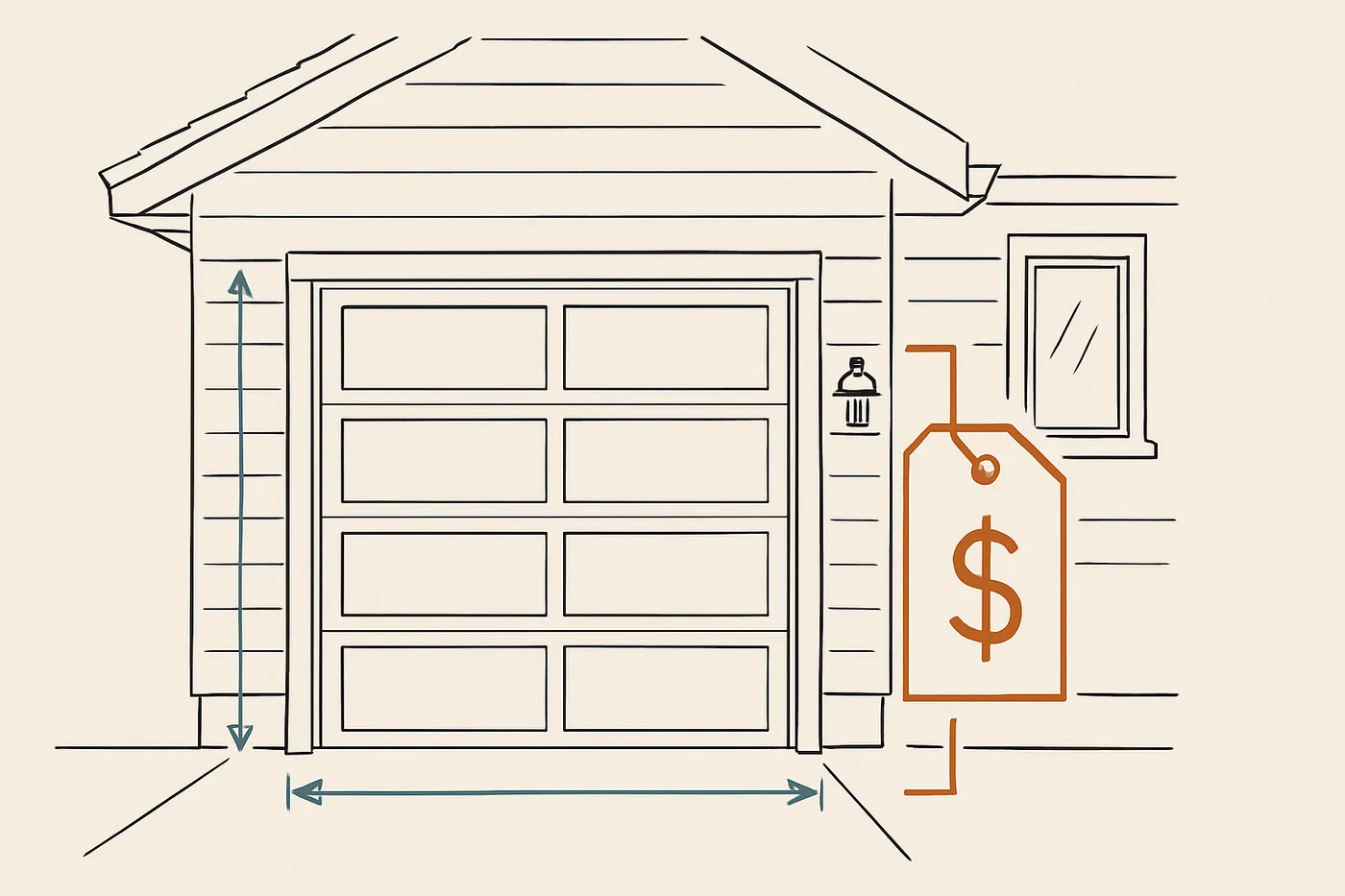
A full garage door installation — door plus opener, professionally installed — runs $1,950 to $3,900 in 2026 for a standard 16x7 double-car opening with a mid-grade insulated steel door and a belt-drive opener. Strip it down to a basic uninsulated single-car door with a chain drive and you can land closer to $1,300 all-in; spec it up with a custom wood door and a direct-drive opener and you can clear $16,000 without trying. Here is what's actually inside that number, what your quote probably leaves out, and where the money is worth spending.
The two line items that make up the total
A garage door installation is two installations stacked into one visit: the door itself, and the opener that lifts it. Pricing them separately is the only way to understand the quote in front of you.
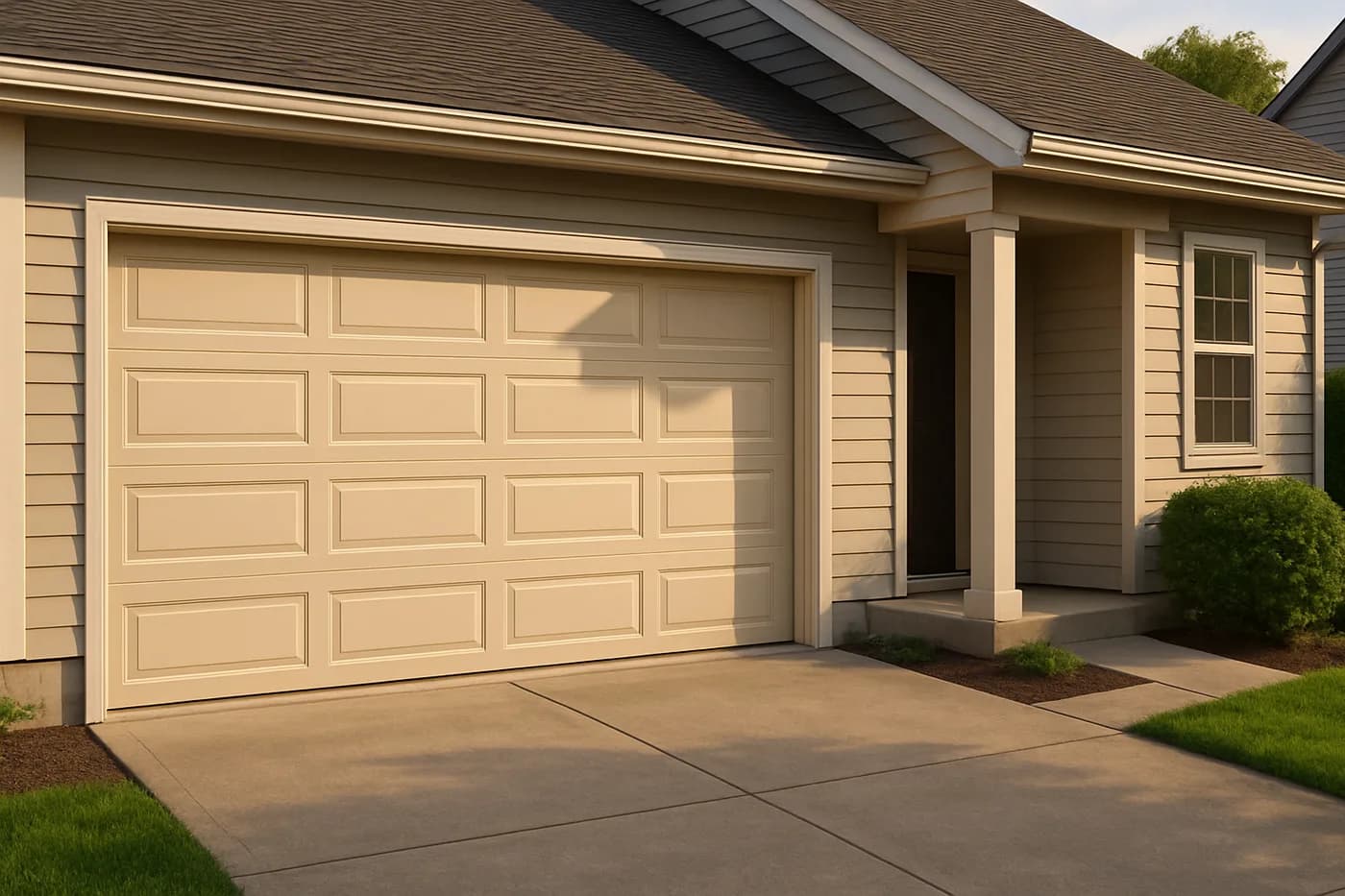
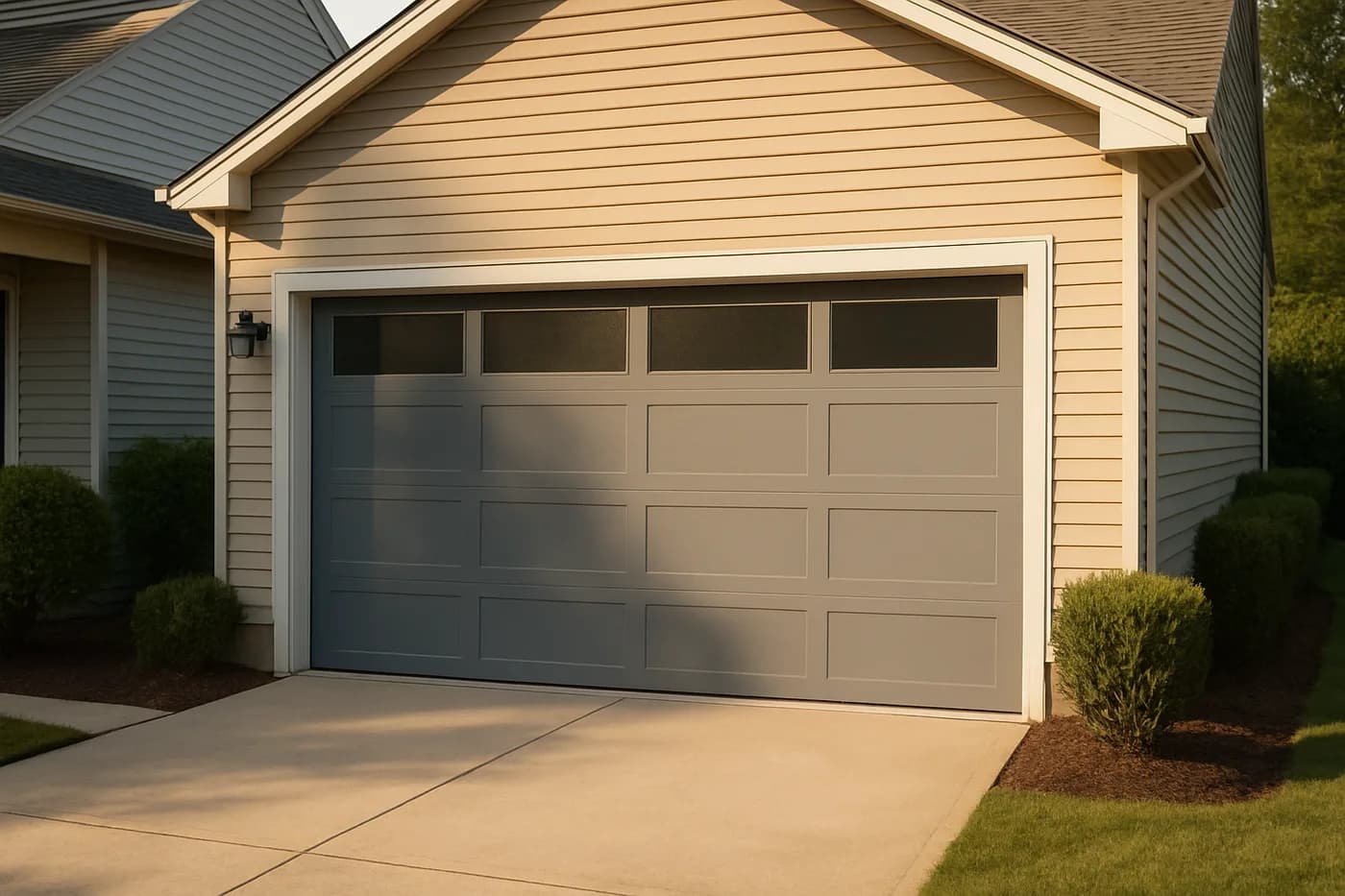
The door is the bigger number. A mid-grade insulated steel sectional door — polyurethane foam, R-12 to R-18 — runs $1,500 to $3,200 installed in 2026 for a standard 16x7 double-car opening, which is where most replacement projects land. That figure includes the panels, the tracks, the rollers, the cables, the springs, the hardware, and the labor to tear out the old door and hang the new one. Step down to an uninsulated steel door and you'll pay a few hundred dollars less. Step up to a custom cedar, redwood, or mahogany door and you're looking at $4,000 to $15,000 installed, depending on species, design complexity, glass, and hardware.
The opener is the smaller number but the one most people get wrong. A new garage door opener runs $300 to $900 installed in 2026, with most homeowners replacing a standard opener on an attached two-car garage paying between $450 and $700. That price already includes labor — professional installation runs $150 to $300 on top of the unit cost, depending on region and whether the installer is swapping out an existing opener or running new wiring and an outlet.
Add those two together and the math holds: a mid-grade insulated steel door at $2,200 plus a belt-drive opener at $550 puts you at $2,750 all-in for a typical replacement.
Tier-by-tier ranges for 2026
| Tier | Door (installed) | Opener (installed) | All-in |
|---|---|---|---|
| Budget | $900 – $1,400 (uninsulated steel) | $350 – $500 (chain drive) | $1,250 – $1,900 |
| Mid-grade | $1,500 – $3,200 (insulated steel, R-12 to R-18) | $450 – $650 (belt drive) | $1,950 – $3,850 |
| Premium | $4,000 – $15,000+ (custom wood or full-view glass) | $650 – $900+ (direct drive) | $4,650 – $16,000+ |
These are 2026 installed prices for a standard 16x7 double-car opening in most U.S. metro markets. Single-car 8x7 openings run roughly 20 to 30 percent less on the door side; the opener cost is the same regardless of door size.
What moves the number within a tier
Three variables do most of the work inside any given tier: insulation, spring class, and opener drive type.
Insulation. R-value is the difference between a $1,500 door and a $3,000 door in the steel category. Foam-injected polyurethane at R-12 to R-18 is the current mid-grade standard. If your garage is attached to living space or you have a room above it, the upgrade pencils out fast on heating and cooling. If your garage is detached and unconditioned, you're paying for thermal performance you'll never use.
Spring class. Standard residential torsion springs are rated to 10,000 cycles — roughly seven years at four cycles a day. High-cycle springs rated to 25,000 to 100,000 cycles cost more upfront and last proportionally longer. If you open your door more than four times a day — kids, home office, second car going in and out — ask the installer to quote high-cycle springs as a line item. The upgrade is usually $75 to $150 and it buys you years.
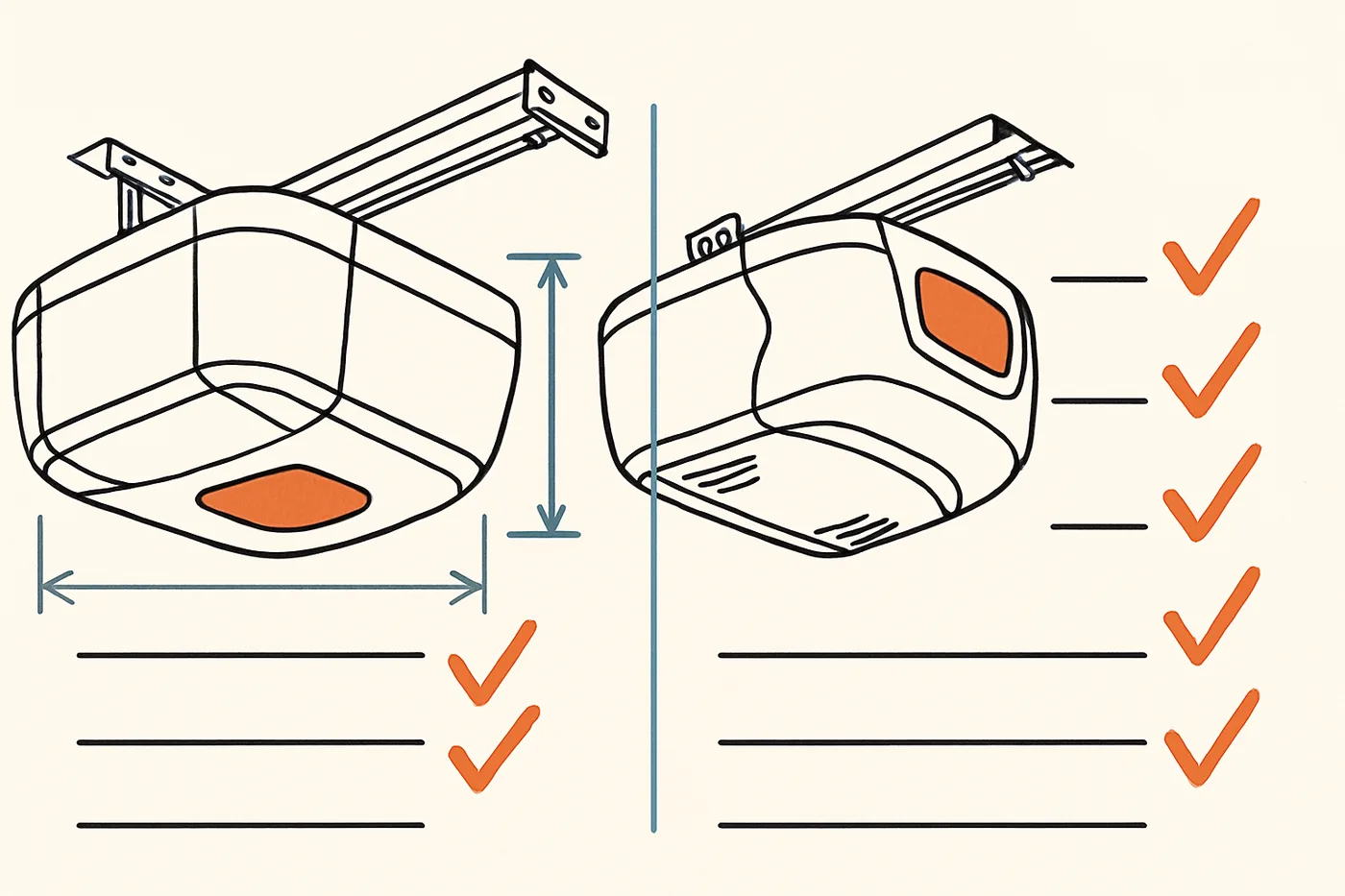
Opener drive type. A chain-drive opener costs $350 to $500 installed and lasts 10 to 15 years; a belt-drive opener costs $450 to $650 installed and lasts 12 to 15 years. A direct-drive opener costs $650 to $900 or more installed, can last 20 years with minimal maintenance, and most units come with a lifetime motor warranty. The gap between chain and belt is mostly about noise — covered in why is my garage door so noisy. The gap between belt and direct drive is about service life and quiet, in that order.
One horsepower note that matters at quote time: for a double-car door, a solid wood door, or an insulated steel door over 16 feet wide, three-quarter horsepower is the minimum. A half-horsepower unit will lift it briefly and then burn out. If the installer is quoting a half-horsepower opener on a heavy door, push back.
What your quote probably does not include
Every installer's headline number leaves something off. Read your quote against this list before you sign:
- Haul-away of the old door and opener. Some companies fold it in; most charge $75 to $150 as an add-on. Ask.
- Battery backup on the opener. Battery backup adds $75 to $150 to the opener cost and is legally required on all new residential opener installations in California under SB-969. If you're outside California it's optional, but it's the difference between getting out of your garage during a power outage and not.
- Upgraded springs. Standard 10,000-cycle springs are the default. High-cycle springs are a line item you have to ask for.
- New bottom seal and weatherstripping. Often left off "door only" quotes. Should be $30 to $60 installed.
- Smart-home integration. Wi-Fi modules, MyQ subscriptions, keypad replacements — verify what's included and what's an upcharge.
- Permit fees. Some jurisdictions require a permit for opener wiring or structural changes. Usually $50 to $150.
The contractor who itemizes these without being asked is the contractor who will not surprise you on installation day. A+ Garage Doors (our affiliated installer) and Garage Door Pro Services (our affiliated installer) both publish itemized residential installation pricing, which is a good baseline to compare against any quote you receive locally — and if you want to walk the property before the crew arrives, the free garage door safety inspection covers the inspection points worth confirming.
Is the upgrade worth it?
Two upgrades pay for themselves cleanly. Two do not.
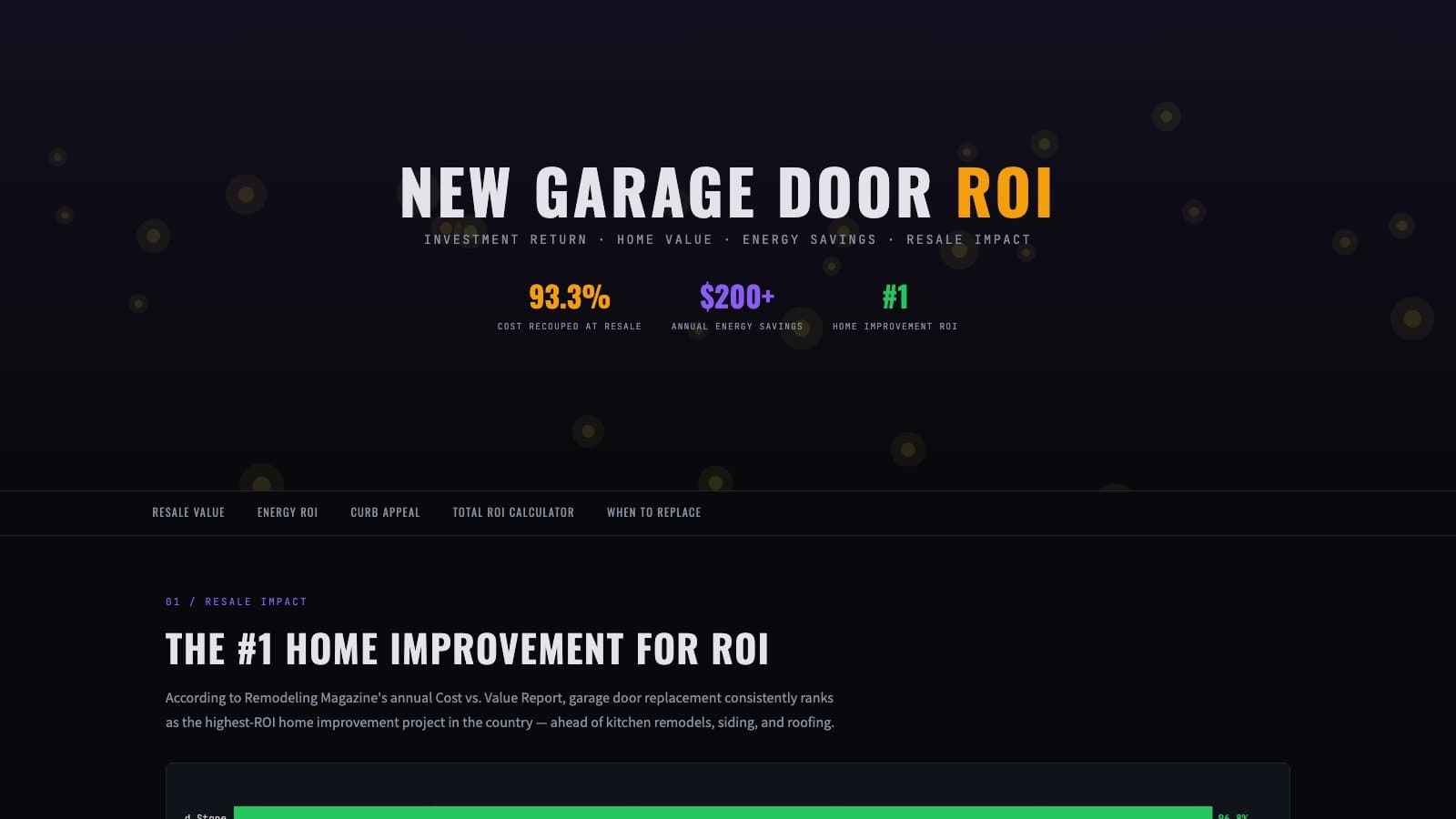
The insulation upgrade from uninsulated steel to R-12 polyurethane pays back through heating and cooling if your garage shares walls or a ceiling with conditioned space. Run your own utility numbers through the ROI lab before you commit — the answer depends on your climate zone and how long you plan to stay in the house.
The belt-over-chain upgrade pays back through quiet, not dollars. If your bedroom is above or next to the garage, the $100 to $150 premium is worth it the first morning someone leaves for an early shift.
The direct-drive upgrade over belt drive does not pay back on pure math for most homeowners. It pays back if you value 20-year reliability and the lifetime motor warranty, and if you open the door many times a day.
The wood-over-steel upgrade does not pay back in operating cost. It pays back in curb appeal and resale, which is a real return but not the same kind of math.
Repair versus replace at quote time
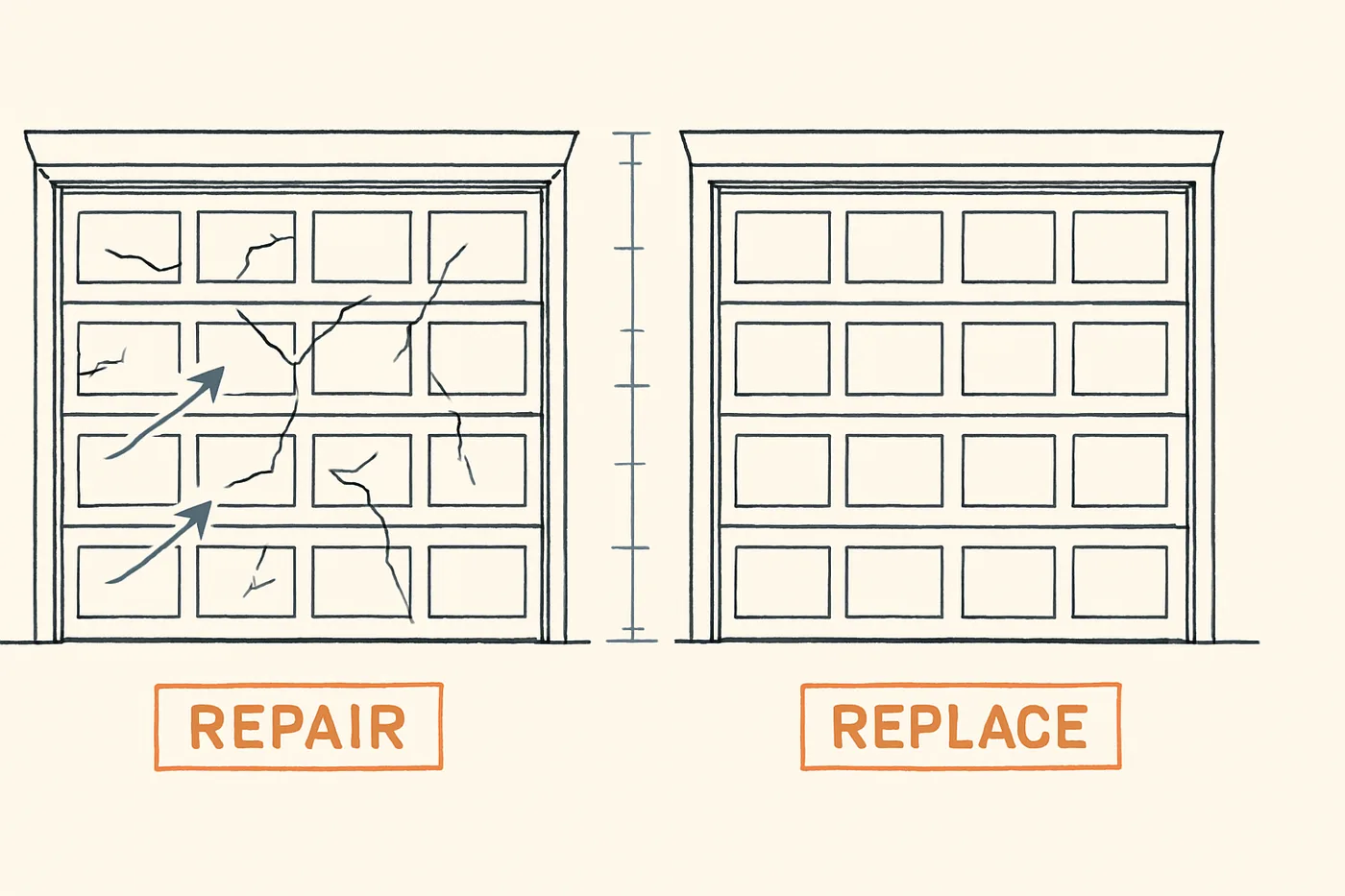
If you're getting an installation quote because something failed, run this check before you spend on a new door: if a single repair quote exceeds 50 percent of the cost of replacing the door with the same tier, replacement is the better financial decision. And past the 20-year mark, the probability that the next component is also near end-of-life climbs each year, which tilts the math further toward replacement.
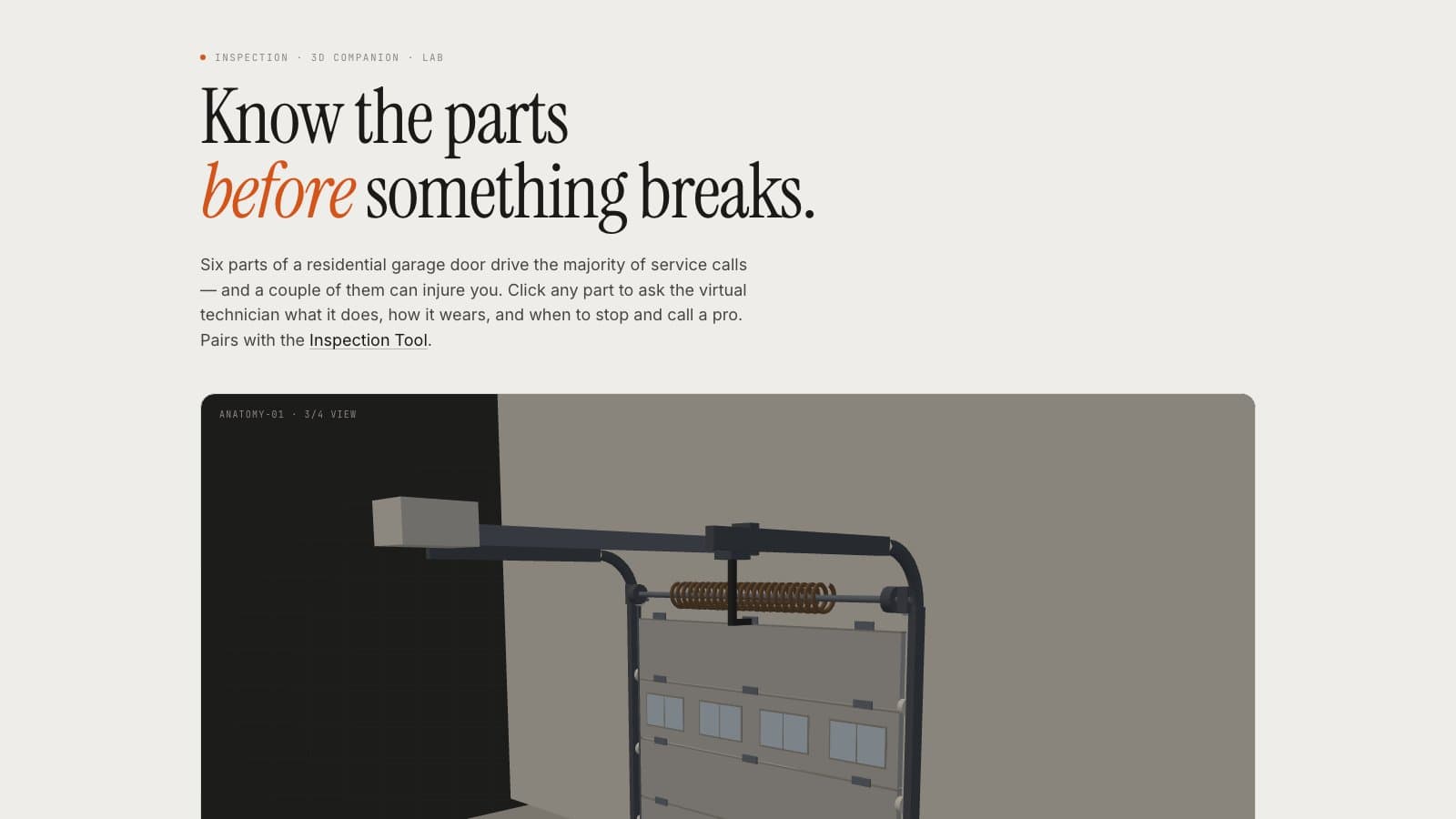
For a quick orientation to what's inside the door so you can read the quote line-by-line, the garage door anatomy lab labels every part the installer will mention.
One brand comparison that affects the bottom line
If you're shopping openers, the LiftMaster-versus-Chamberlain question keeps coming up because they're the same parent company. The relevant difference at quote time: a LiftMaster belt-drive opener installed by a professional runs $450 to $650 all-in, versus $250 to $350 for a retail Chamberlain self-installed; LiftMaster carries a lifetime warranty on the motor and logic board while the retail Chamberlain carries only a 5-year limited motor warranty. The $200 spread is real, but so is the warranty gap.
Before you sign a quote, confirm four things in writing: the door's R-value, the spring cycle rating, whether haul-away is included, and whether the opener has battery backup (required if you're in California, optional but worth the $75 to $150 elsewhere). If the installer can't answer those four questions without checking, get a second quote. The contractor who knows the numbers cold is the contractor who quoted them honestly.