Mice in the garage this fall? Check the bottom seal of your door first
As nights cool, mice look for a warm garage, and the gap under the door is one way in. What the sources say about the bottom seal and door gaps, a daylight check you can do from inside, and where our advice stops.

Nights are getting colder. Our view: that is when a garage starts to look good to a mouse, and the first thing to check is the bottom of the door.
What the sources say, and how old they are
A piece from Martha Stewart, carried on Yahoo Lifestyle and dated October 11, 2026, says "As temperatures drop, mice are more likely to move into your warm and cozy garage." That is a lifestyle article, not a pest-control standard, and it is the only recent source we found tying fall to garages.
NC State Extension's rodent-proofing post is older, dated January 3, 2018, and is about houses in general. It does not mention garage doors. It says "Winter months are rodents' most active time for entering structures" and "mice can squeeze through an opening the size of a dime or larger".
Our view: a dime-sized opening is a small gap. A door seal that has stopped meeting the floor can leave one. That reading of the two sources is ours, not theirs.
Why the bottom of the door
The Martha Stewart piece says "Even the smallest cracks between the garage door and the floor can welcome rodents."
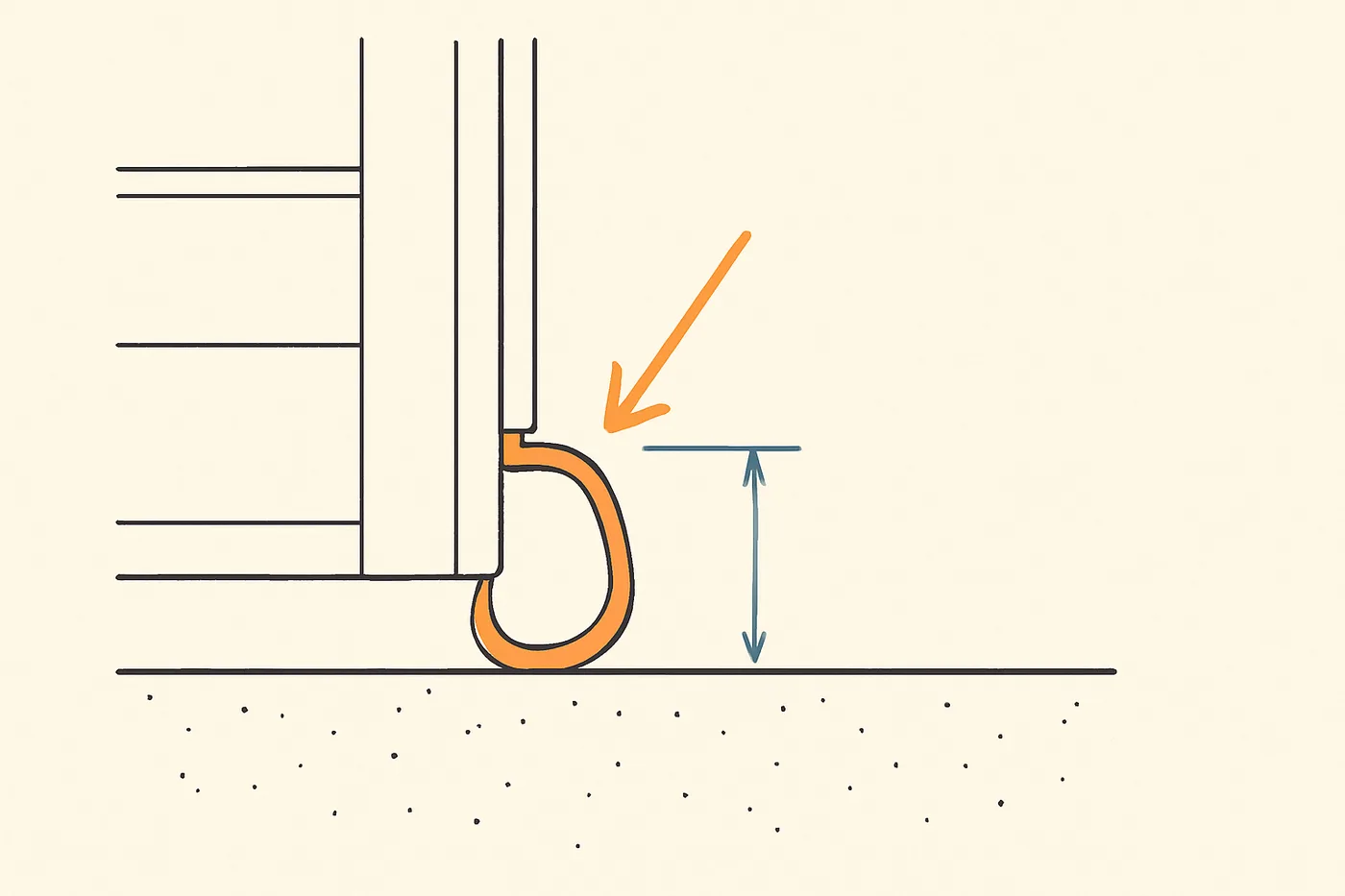
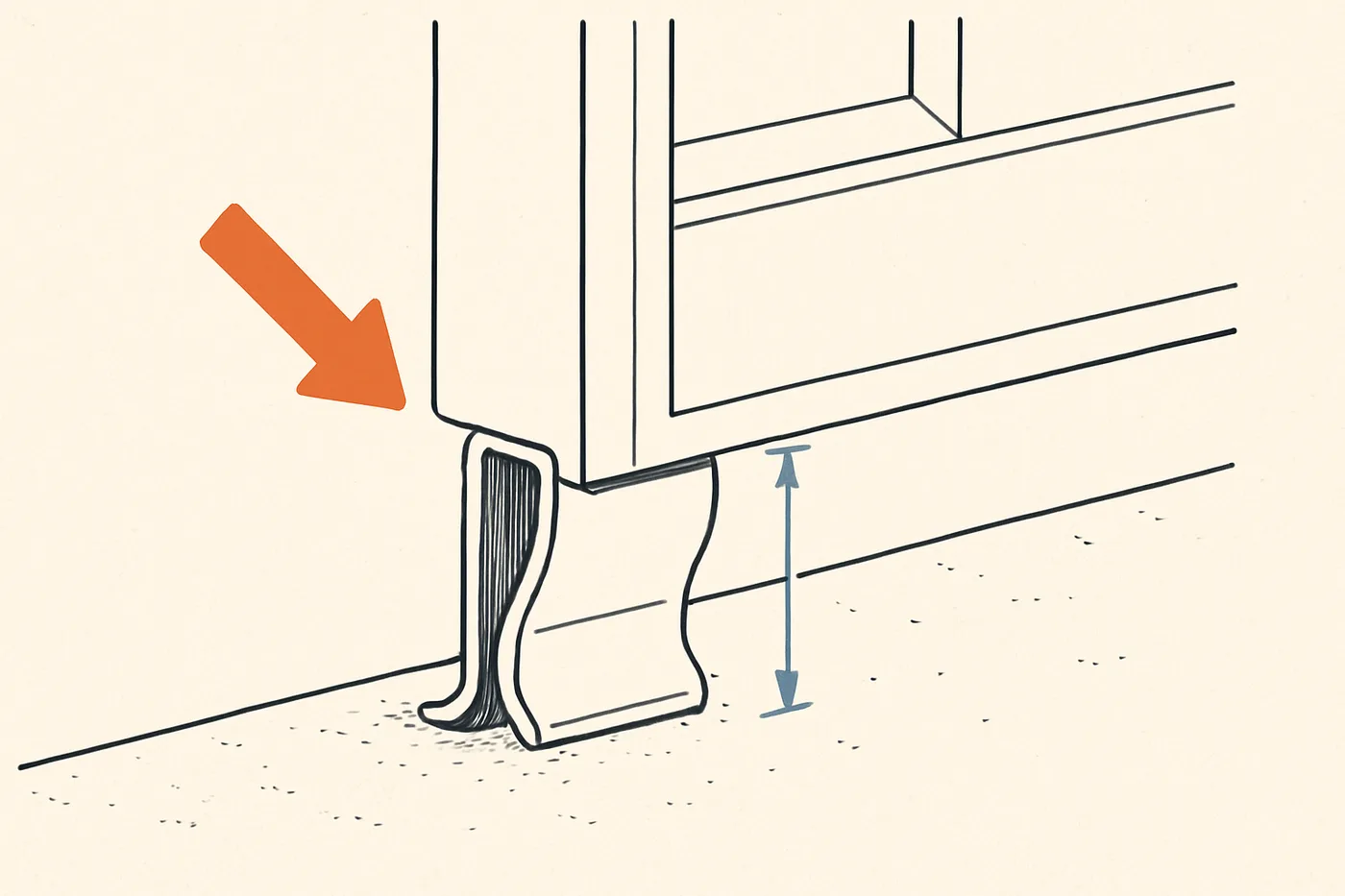
Clopay's maintenance guide says "Your garage door's bottom weather seal is a flexible strip that helps prevent heat loss at the bottom of the door. It also helps to keep out water, dirt, and pests."
NC State Extension says "Exterior doors should have door sweeps installed." and "Make sure all doors and windows tight fitting with weather stripping." Those lines are about exterior doors in general. A garage door is one, but the post does not say so.
What a worn seal looks like
Clopay's guide to garage door seals says "Try to inspect your garage door seals every three months." Its list of what to look for includes "Cracks, tears, or missing pieces", "Hardening or brittleness" and "Evidence of water, pests, or drafts getting inside".
Amarr says "You'll know it's time to replace the weather seal on your garage door when the rubber gets very stiff, cracked or begins disintegrating." It also says "Typically, you can get around two years or more out of your garage door seals with proper maintenance."
Our view: a seal that is stiff, cracked or missing a piece is a seal that may not meet the floor any more. On one bottom seal material, Clopay's guide lists this drawback: "Can stiffen and crack over time, especially in very cold climates." So the first hard cold is a sensible time to look.
A daylight check from inside
The Martha Stewart piece says "Make sure the garage door comes all the way down, and there isn't any light that gets through when you close it".
Our advice: do this on a bright day from inside the garage, with the door closed and nobody standing under it. Look along the bottom edge and at the two bottom corners. Light showing through is a gap. Note where it is.
Our advice: if the door does not come all the way down, do not force it and do not touch the springs, cables or brackets. Those are a technician's work. Never disable the safety sensors to get a door to close. Your opener's manual or a technician covers what to do next, and our page on the auto-reverse system says why the door reverses.
What a seal can and cannot do
The Martha Stewart piece says "mice can easily chew through spray foam, plastic, and rubber weatherstripping" and suggests "an aluminum door sweep and a metal threshold plate for door gaps". It is one lifestyle article. We found no manufacturer page that says a seal keeps mice out, and this page does not claim one does.
Our view: a new seal closes a gap, which takes away one easy way in. It is not a pest-control measure, and a determined mouse is a pest-control question, not a door one. Our advice: if you find droppings, chewed material or a nest, ask a pest control professional what to do. This page covers the door and nothing past it.
For which seal fits which gap, see our guide to garage door weather seals. For the rest of a cold-weather check, see our pre-freeze checklist.
What to do this week
Our advice:
- On a bright day, close the door and look from inside for light along the bottom edge and corners.
- Look at the bottom seal for cracks, tears, missing pieces or stiffness, the list from Clopay above.
- If you find a gap or a worn seal, read our guide to weather seals and fix that one gap, or ask a garage door technician to.
- If the door does not close all the way, stop and call a technician. Leave the springs, cables and sensors alone.