Garage Door Insulation: Summer Costs and What to Look For
What an insulated garage door costs, which R-value Clopay suggests for your garage and climate, and why worn seals undo the panels.

HomeAdvisor (updated Jun 17, 2026) says garage door replacement costs between $754 and $1,707, with most homeowners spending around $1,231, and puts an insulation upgrade at $600 to $3,000 depending on the insulation type and door size. Here is what the insulation does in July heat, what R-value to look for, and how to tell whether the upgrade is worth it in your house or somebody else's.
Not sure what is letting in drafts or water? Start with our page on a garage door that lets in drafts or water.
What insulation does in summer
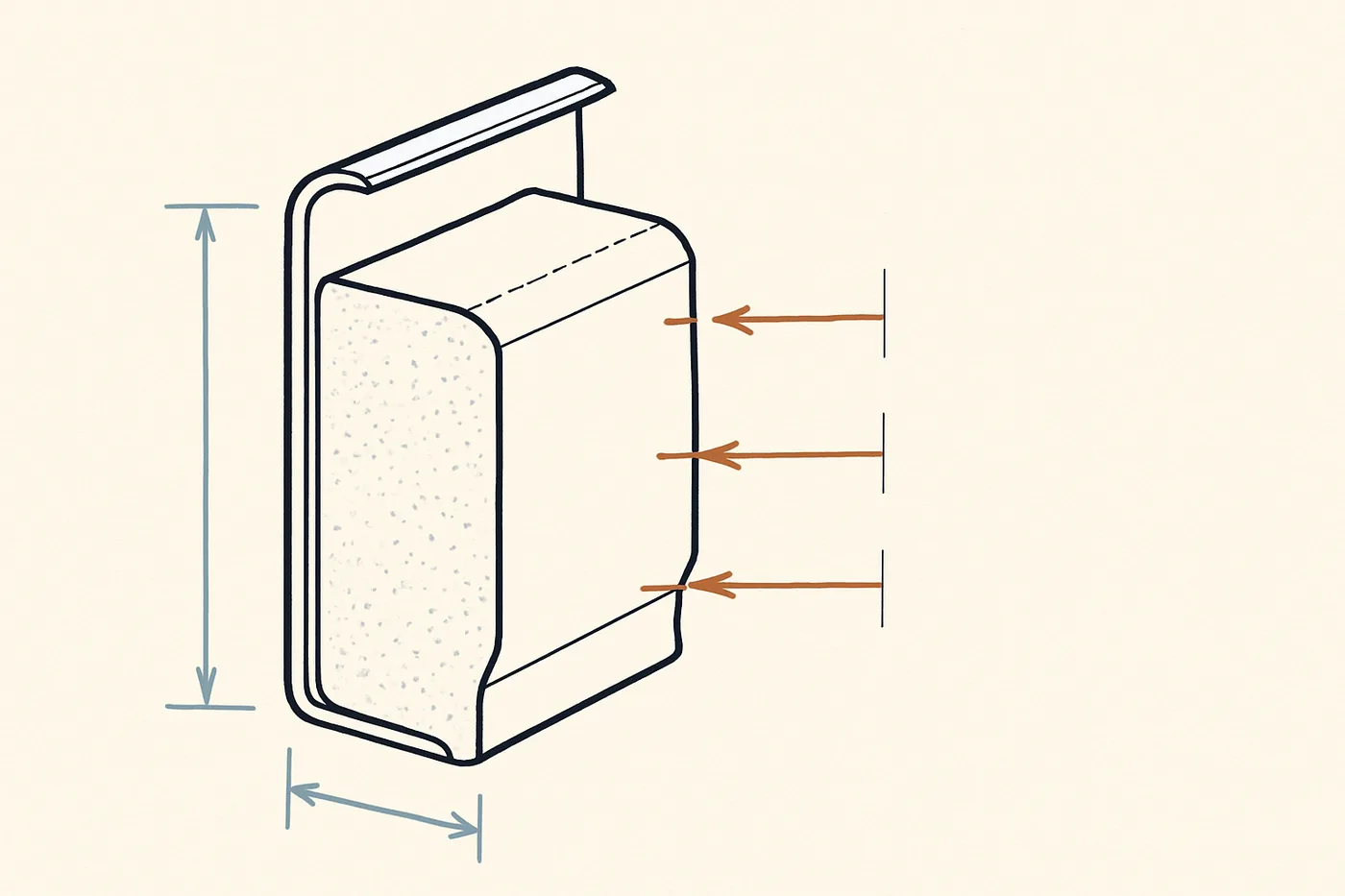
Clopay says R-value measures how well a door's insulation resists heat flow, and that an insulated door often leads to noticeable savings on monthly utility bills because heating and cooling systems work less. Neither Clopay nor HomeAdvisor gives a dollar, percentage or BTU figure for your garage, so this page does not either: it depends on your climate, your door size and your utility rates.
To put your own numbers on it, the energy efficiency lab and the ROI lab are illustrative models, not measured results.
The utility bill is what decides whether the upgrade is worth the money. The rest are side benefits: comfort, quieter operation and a garage that is bearable in August.
R-value and cost
Clopay's own guidance on what R-value to look for:
| Garage | Clopay's suggested R-value |
|---|---|
| Detached garage or temperate climate | 6 to 10 |
| Attached garage or cold climate | 10 to 13 |
| Extreme climate | 15 or higher |
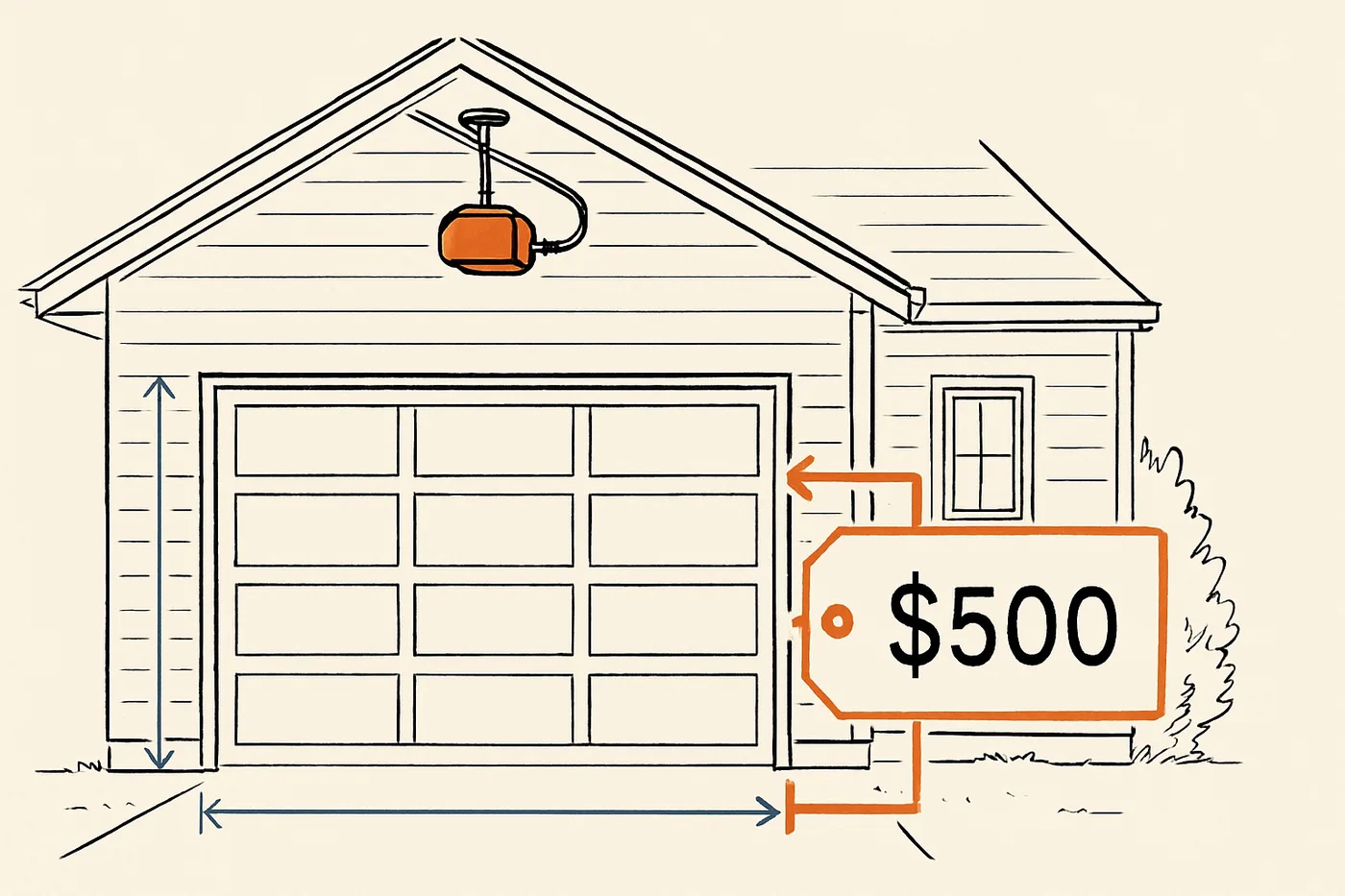
Price depends on the door, so use HomeAdvisor: replacement is $754 to $1,707 with an average of about $1,231, and the insulation upgrade is $600 to $3,000. Those are one aggregator's ranges, not a quote.
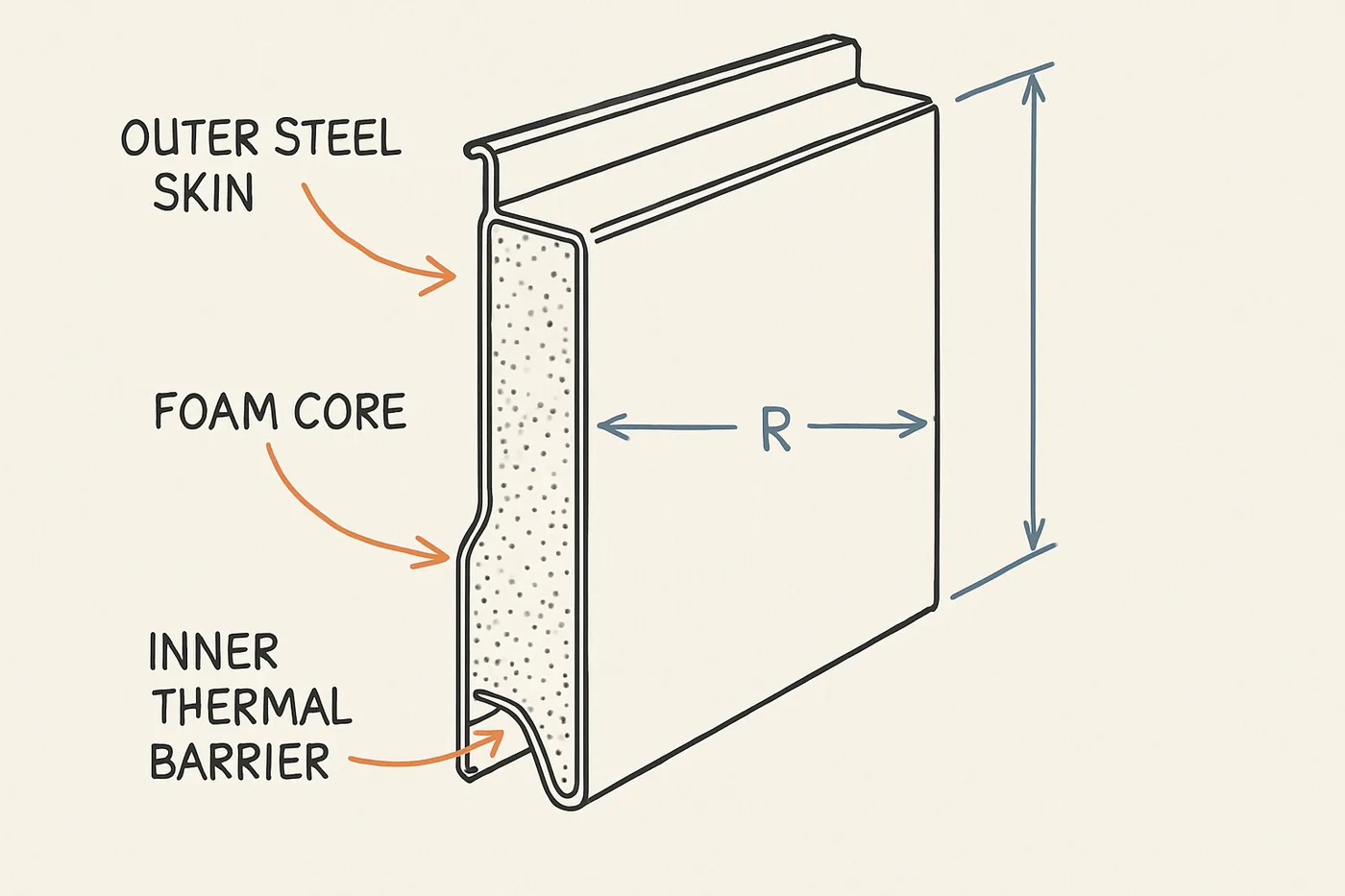
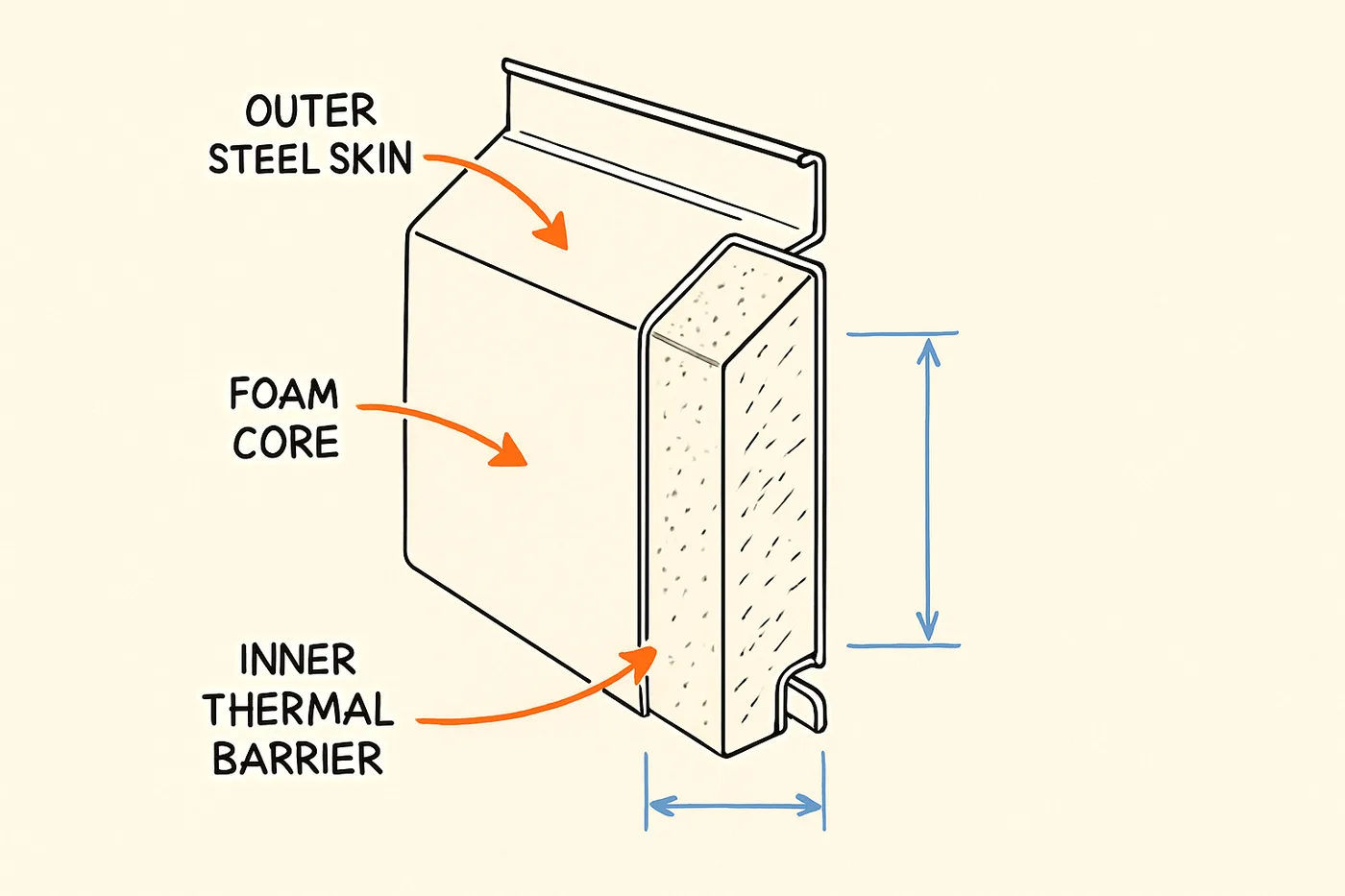
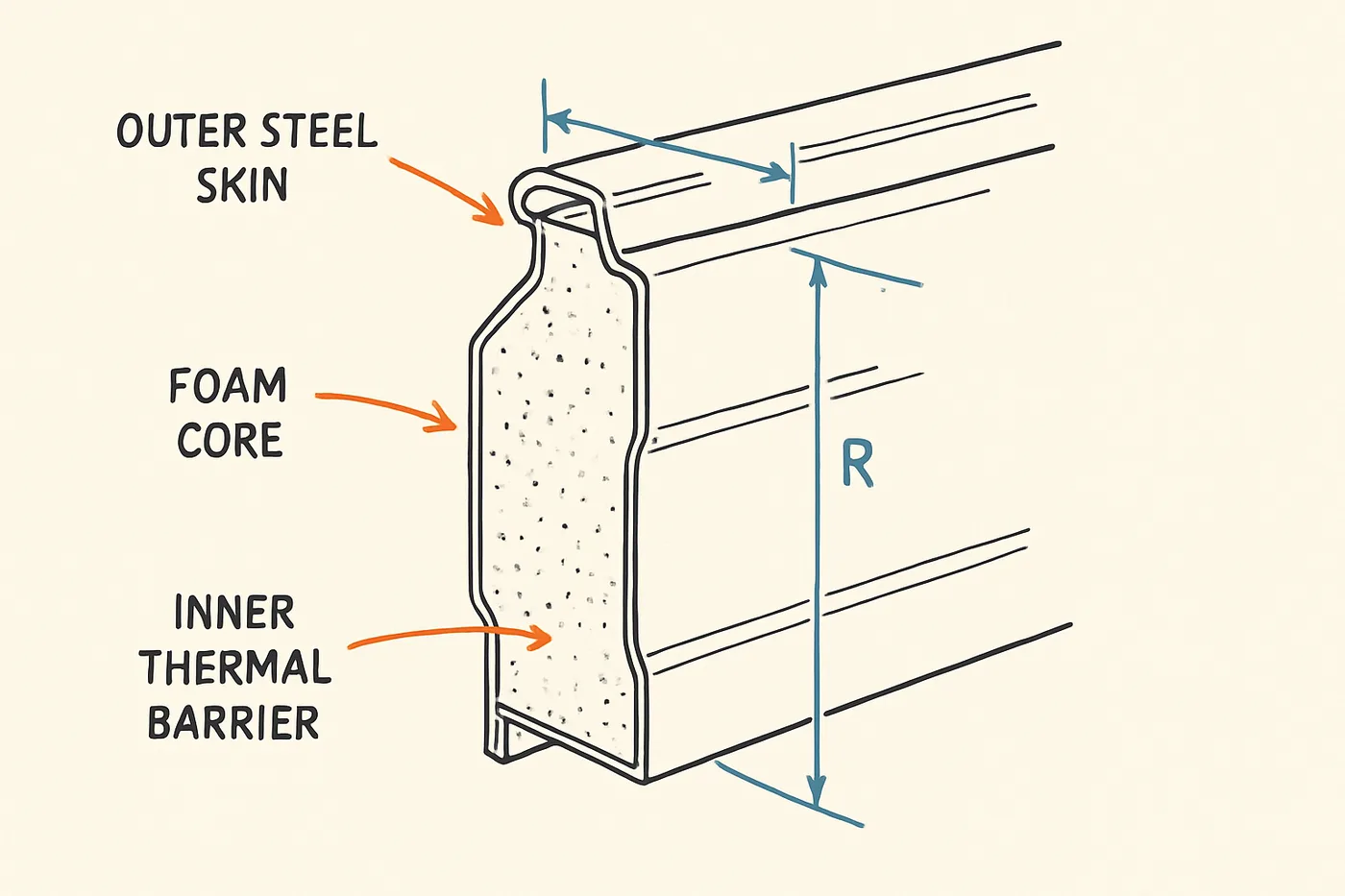
Clopay describes two foam types. Polyurethane is injected into the door and fills the gaps, and its page says polyurethane doors offer higher R-values than polystyrene doors; polystyrene is typically rigid panels fitted between layers, lighter and usually cheaper. The page gives R-values per product, not per inch of foam. If a salesperson quotes you an R-value without telling you which foam it is, ask. The difference is not cosmetic.
The R-value you actually need
More insulation is not always the right answer. It is the right answer up to a point, and past that point, you are paying for R-value that does not do work.
For an attached garage or a cold climate, Clopay's suggested range is R-10 to 13, and it says to aim for 15 or higher in an extreme climate. Clopay says a higher R-value suits extreme temperatures, that the level of insulation also matters when the garage is used as an additional gathering space or for hobbies, and that a storage-only garage or a milder region may need only a moderate level.
For a detached garage you do not cool, you are not saving anything on utilities. The door insulation only matters if you use the space: workshop, gym, home office. If you do not, buy the uninsulated door and put the money somewhere else.
The variable most homeowners ignore: seals
A door with a worn bottom seal lets air in around the panels, whatever the panels' R-value, and seals wear out on a schedule most homeowners never track.
The bottom seal wears out first: Clopay says most seals need replacing every two to three years, depending on climate and use, and Amarr says around two years or more with proper maintenance. When the rubber loses its compression memory it stops pressing flat against the floor. The side weatherstripping stiffens with age too. Both of those clocks are running whether you pay attention or not.
A breeze pushes air through any gap, so a worn seal matters more on a windy afternoon.
If you are not ready to replace the whole door, seals are a low-cost place to start. Clopay says most garage door seal replacement projects are DIY-friendly, and that calling a pro makes sense if the door is especially heavy, has custom hardware, or you run into major alignment issues. None of it touches the springs or cables.
For Las Vegas homeowners staring down a July replacement, A+ Garage Doors (our affiliated installer) handles both seal replacement and full insulated door installs, which is worth knowing because bundling the seal work into an install visit is cheaper than a separate service call.
When the upgrade pays for itself
HomeAdvisor puts the insulation upgrade at $600 to $3,000, and Clopay says an insulated door often leads to noticeable savings on monthly bills. No source we can cite gives a payback period for your garage, so this page does not give one. It depends on your climate, your utility rates and whether the garage is attached and cooled. A detached, uncooled garage has little to save on utilities. An attached garage with a bonus room above it protects a conditioned space directly above the ceiling.
Run your own numbers in the ROI lab with your actual utility rate and climate zone before you decide the upgrade is worth it. The energy efficiency lab will let you model the BTU load for your specific door size and temperature differential.
What the quote probably leaves out
Every insulated door quote I have looked at is missing at least one of these. Ask about all of them before you sign:
- Haul-away of the old door and tracks
- New bottom U-seal (not just reusing the old one on new door)
- New jamb weatherstripping
- Threshold seal (this is almost never included)
- Cycle-rated springs sized for the heavier insulated door: insulated doors weigh more than uninsulated, and the wrong spring will burn out early
- New rollers, especially nylon rollers if you want the insulated door to also be quieter
An insulated door with the old seals reinstalled is not an insulated door. It is a more expensive door with the same air infiltration problem. If the quote does not list new perimeter seals as a line item, they are not doing it. Garage Door Pro Services (our affiliated installer) offers a free garage door safety inspection that will surface which seals are failing before you commit to the door itself, useful if you are trying to figure out whether you need a full replacement or just a seal refresh.
Decide this
Answer three questions before you agree to the insulated upgrade:
- Is the garage attached to conditioned living space? If no, and you do not use the garage as a workspace, buy the uninsulated door.
- What is your climate? Clopay suggests a higher R-value for cold or extreme climates, and says a moderate one may suffice in a temperate climate.
- Are the seals in the quote? All three: bottom, jambs, threshold. If they are not itemized, they are not included, and the R-value on the panel is doing half the job it is being sold to do.
If the answer to all three is yes, start from Clopay's suggested range for your garage and climate. Spend the difference on better seals and the right springs for the heavier door, in that order.